Your Water Damage Crew in Dayton
When water is spreading through your Dayton home, Dayton Water Restoration delivers fast, around the clock emergency water damage restoration across Dayton and the surrounding Tippecanoe County area. Our IICRC certified crews handle the full job, extraction through reconstruction, and coordinate directly with your insurance carrier.
If we're busy helping someone else and miss your call, we'll call you back within 15 minutes.


Flooded basement, burst pipe, or sewage backup in Dayton? Dayton Water Restoration answers 24/7 with certified crews, fast water removal, and drying that gets measured, not guessed, plus full insurance documentation. Call (463) 241-6041.
- Services: water damage restoration, basement flooding, sewage cleanup, storm damage
- Service area: Dayton, Tippecanoe County, IN and surrounding areas
- Response time: Same day for Dayton inquiries; 24/7 emergency service available
- Licensed and insured (License #RC21100059)
- Serving Dayton, IN since 2018
Schedule Your Free Damage Assessment
The inspection on a Dayton home is room by room, top to bottom. We measure walls with non penetrating meters at multiple heights, check baseboards and trim, pull back carpet at the tack strip, and pull insulation in suspect wall cavities. We look behind cabinets, under sinks, around water heaters, behind washing machines and refrigerators, and along the basement perimeter and slab joints. The tools are straightforward: a thermal imaging camera to map hidden cold spots that flag moisture, a penetrating moisture meter to confirm readings inside materials, and a hygrometer to log ambient temperature and relative humidity. Thorough mapping in Dayton matters because the most expensive failure in water restoration is moisture you never found, the kind that quietly fuels mold growth 30 days after the visible water is gone.
I agree to be contacted by Dayton Water Restoration regarding my inquiry.
Washing machine floods hit Dayton laundry rooms on the one cycle nobody watched. A burst hose delivers full supply pressure onto the floor, through it, and into whatever sits below. Same day water extraction and cavity drying contains a small failure to a small footprint.
Emergency water removal is the sprint; structural drying is the marathon. The best Dayton restoration work pulls the bulk water in hours, then places air movers and dehumidification to chase moisture out of studs, subfloor, and cavities over the following days, monitored and documented throughout.
The best time to save a water damage company's number is before the water. Dayton homeowners who know who they'll call skip the panicked searching when the sump fails at midnight. Free assessments, straight answers, and 24/7 dispatch are what that number should get you.
Payment Options That Work for You
Insurance settlements rarely arrive on the same day damage happens. Financing bridges the gap so your home gets restored on the right timeline, not the carrier's.
Pay for your project at a later time, but lock in today's pricing. Ideal for homeowners waiting on insurance settlements.
- No payments for 12 months
- No interest if paid in full
- Lock in current pricing today
Divide your project cost equally across 12 months with zero interest. Most homeowners choose this option for predictable budgeting.
- Equal monthly payments
- 0% interest for 12 months
- Simple, predictable budgeting
Spread your investment over up to 20 years with fixed equal payments. The right choice for larger projects or homeowners who prefer lower monthly amounts.
- Up to 20-year terms available
- Fixed equal payments
- Ideal for larger projects
Financing provided by Regions, Foundation Finance, Slice. Subject to credit approval. Rates, terms, and promotional periods are set by the lender and disclosed in writing before you sign.
What We Do on Dayton Properties
From emergency response to full reconstruction, Dayton Water Restoration handles every restoration project with IICRC-certified crews and clear documentation.
Water Damage Restoration in Dayton
Full scope residential water damage restoration in Dayton, from emergency extraction and structural drying through reconstruction. Handled per IICRC S500 by certified technicians.
Learn moreBasement Flooding in Dayton
For Dayton addresses, basement flooding response covering water extraction, structural drying of walls and subfloors, contents handling, and rebuild of affected finishes. Common after heavy rain and sump pump failures.
Learn moreSewage Cleanup in Dayton
Serving Dayton: category 3 sewage cleanup with proper containment, PPE, contaminated material removal, antimicrobial treatment, and verification before reconstruction. Performed to IICRC standards.
Learn moreStorm Damage in Dayton
In Dayton, residential storm driven water damage cleanup, including water intrusion from wind driven rain, fallen tree impacts, and flash flood events. Extraction, drying, and rebuild handled in sequence.
Learn moreCommercial Water Restoration in Dayton
Water damage restoration for commercial properties in Dayton, scaled to larger square footage with commercial extraction equipment and dehumidification, scheduled to minimize business interruption.
Learn moreCommercial Flood Damage Cleanup in Dayton
For Dayton addresses, commercial flood response covering bulk water removal, structural drying, contents handling, and reconstruction for offices, retail, and light industrial properties.
Learn moreCommercial Sewage Cleanup in Dayton
Serving Dayton: commercial sewage cleanup with full containment, biohazard handling, antimicrobial treatment, and clearance verification before tenants or staff return to the affected space.
Learn moreCommercial Mold Remediation in Dayton
For Dayton addresses, commercial mold remediation performed per IICRC S520, including containment, HEPA filtration, controlled removal of affected materials, and post remediation verification.
Learn moreCommercial Storm Damage in Dayton
Commercial storm damage restoration covering water intrusion cleanup, structural drying, and reconstruction of affected interiors for business properties across the Dayton area.
Learn more
Local Expertise, Real Results
Built on showing up prepared, documenting the work, and finishing the job. That is the basis for trust in Dayton.
Dayton Water Restoration is a locally owned restoration company serving Dayton and Tippecanoe County. Indiana licensed contractor. IICRC trained crews. Free inspections with no obligation. The work runs from extraction through reconstruction under one project, with the same crew handling each phase.
Dayton Water Restoration serves Dayton homeowners with full scope water damage restoration, from the first call during an active emergency through the final coat of paint on the rebuild. Our service area covers Dayton, Tippecanoe County, and surrounding communities including Lafayette, West Lafayette, Shadeland, Clarks Hill, Stockwell, and Battle Ground. The work is performed by IICRC certified technicians on a licensed and insured crew with years of restoration experience across Indiana housing stock, from pre war homes near the Dayton Historic District to newer builds on the suburban edge. Dayton homeowners call us because we show up prepared, communicate clearly, and finish what we start.
Every job in Dayton follows the IICRC S500 standard for water damage restoration, and any mold work is performed per IICRC S520. That means a real moisture assessment first, thermal imaging and meter readings to find hidden saturation, controlled extraction sized to the loss, then structural drying with monitored air movement and dehumidification until materials hit a verified dry standard. Antimicrobial application is used when conditions call for it, and we confirm readings before reconstruction begins. The protocol exists for a reason: skip a step and you get callbacks, mold complaints, and insurance disputes six weeks later.
Our Promise
Three commitments to every Dayton homeowner who calls Dayton Water Restoration. First, fast emergency response, day or night, with equipment on the truck and a certified technician leading the crew. Second, IICRC certified work performed to the S500 standard for water and S520 for mold, by licensed and insured technicians. Third, a free on site inspection with no obligation, and full coordination with your insurance carrier if you have an active claim, including documentation built to satisfy adjusters.
What a Good Dayton Restoration Company Looks Like
Certified technicians, documented work, and pricing you see before the job starts, the reasons Dayton homeowners hand us the keys during the worst day of the year.
Around The Clock Response
Water damage in Dayton does not wait for business hours, and neither do we. Our 24 7 emergency line dispatches a certified crew with extraction equipment, dehumidifiers, and air movers already loaded. Every hour without extraction expands the damage into subfloors and wall cavities, so we move.
IICRC Certified Technicians
Our technicians are trained to the IICRC S500 standard for water damage and S520 for mold remediation. In practice that means proper Category classification, documented moisture readings, and drying to a verified standard. For the homeowner it means fewer callbacks, cleaner insurance claims, and work that holds up.
Mitigation Through Rebuild
The same company that extracts the water in your Dayton home also hangs the drywall, sets the flooring, and paints the trim. One project manager, one schedule, one point of accountability. You are not left coordinating a separate general contractor after the dry out is done.
Insurance Coordination
We document the loss with photos, video, moisture maps, and meter readings from the start. That documentation is built for adjusters, and we coordinate directly with your insurance carrier on scope and justification. Clean paperwork moves claims faster and reduces disputes over what is covered.
Real Jobs. Real Results.
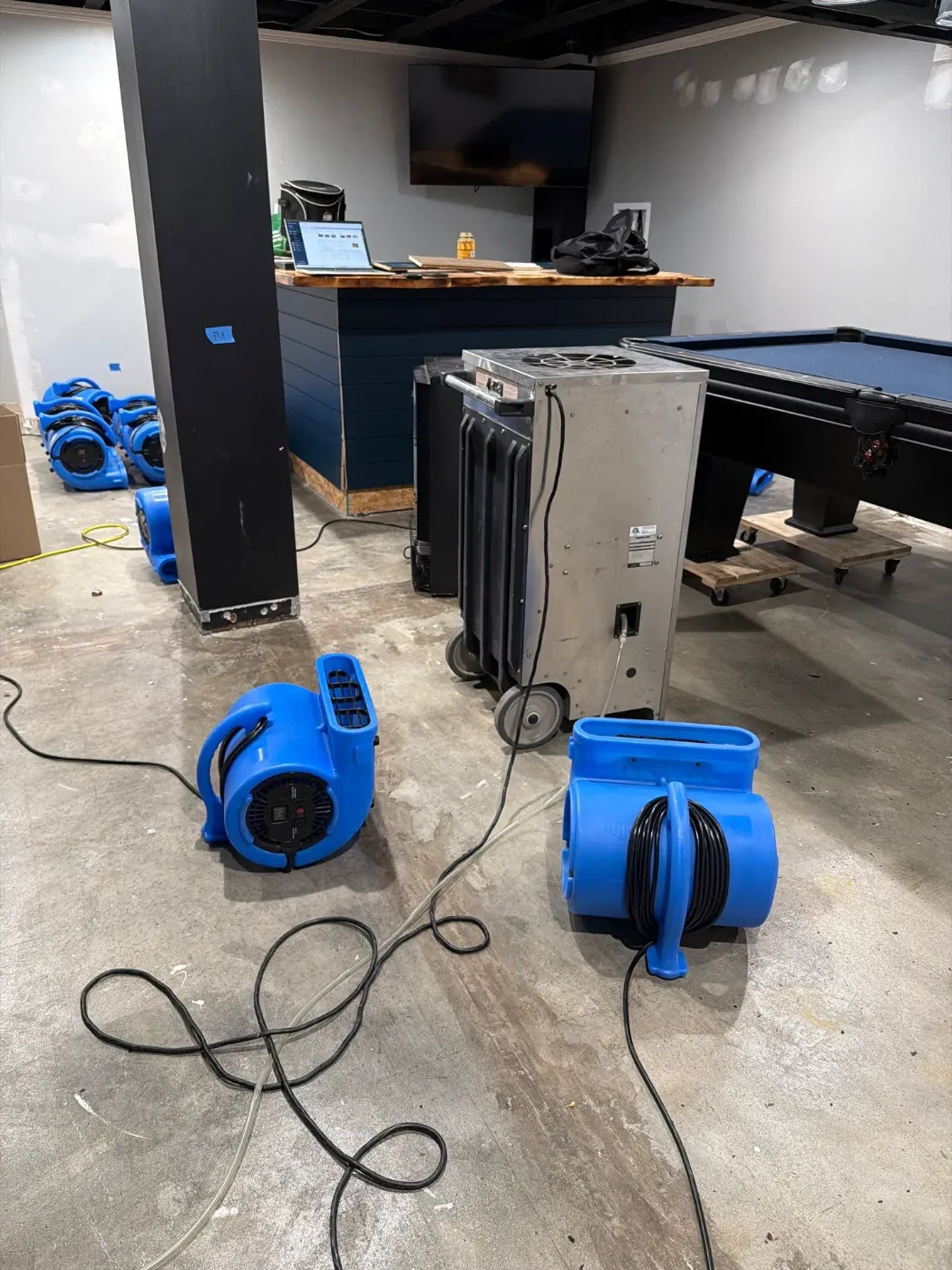
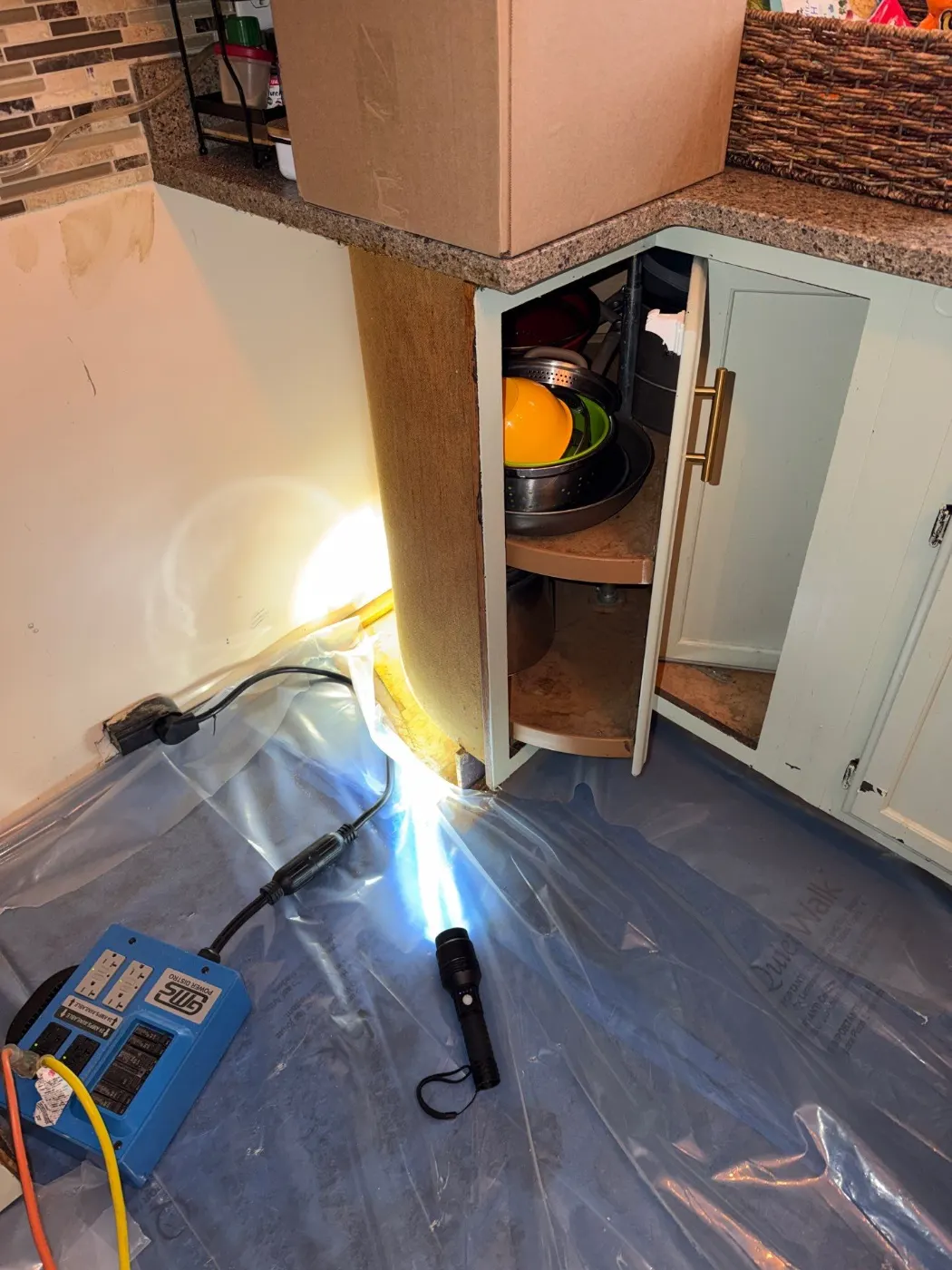
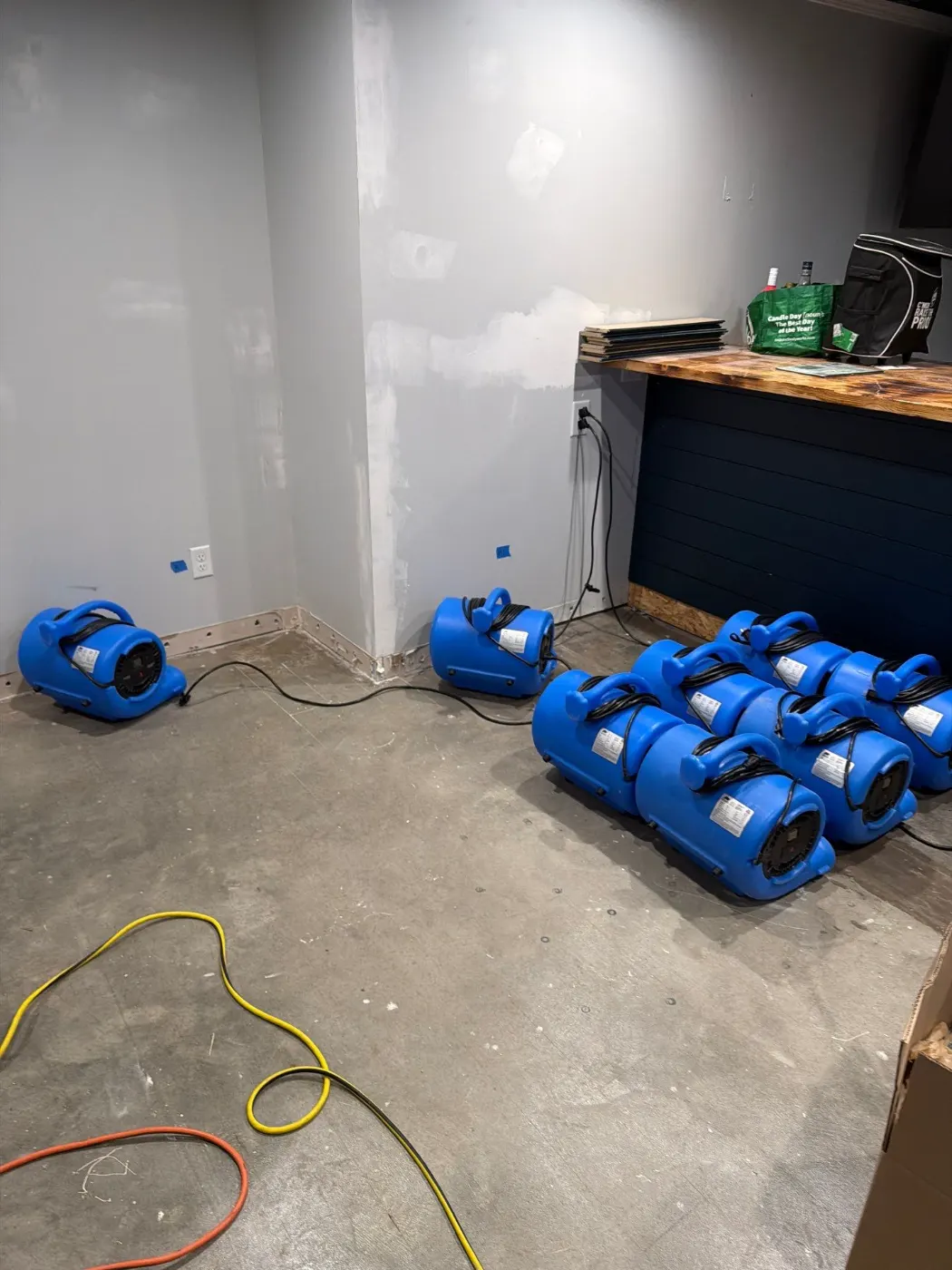
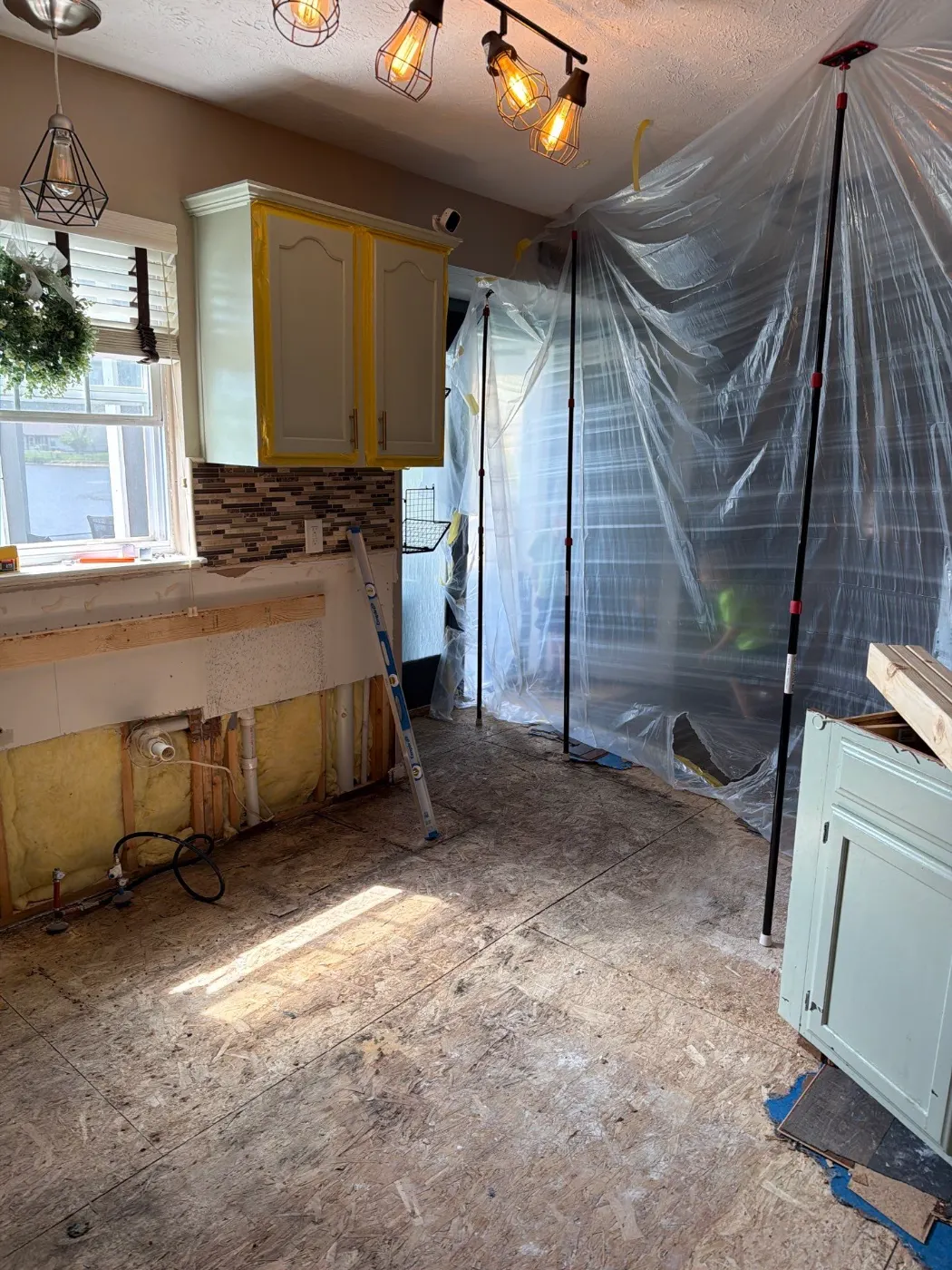
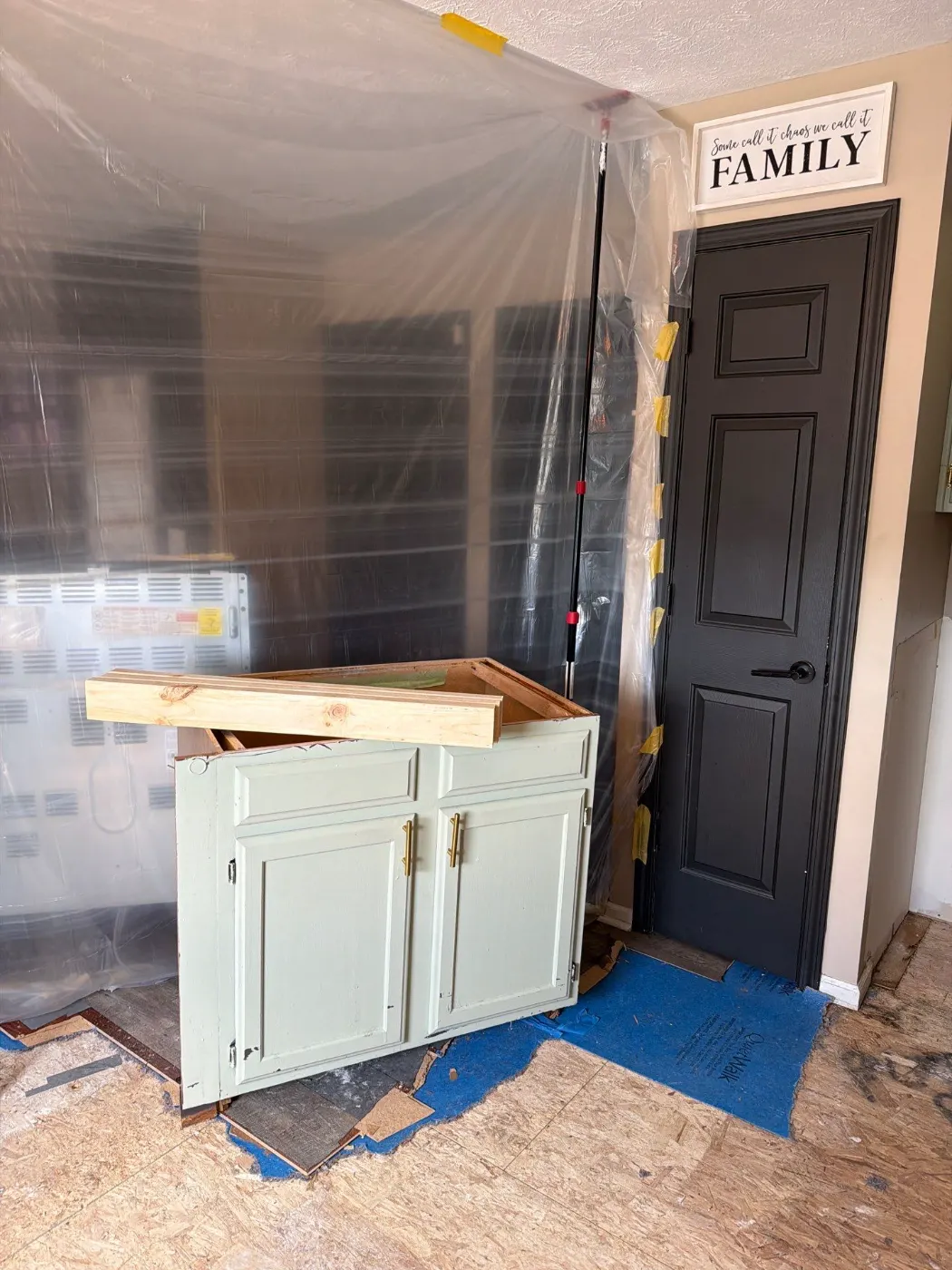
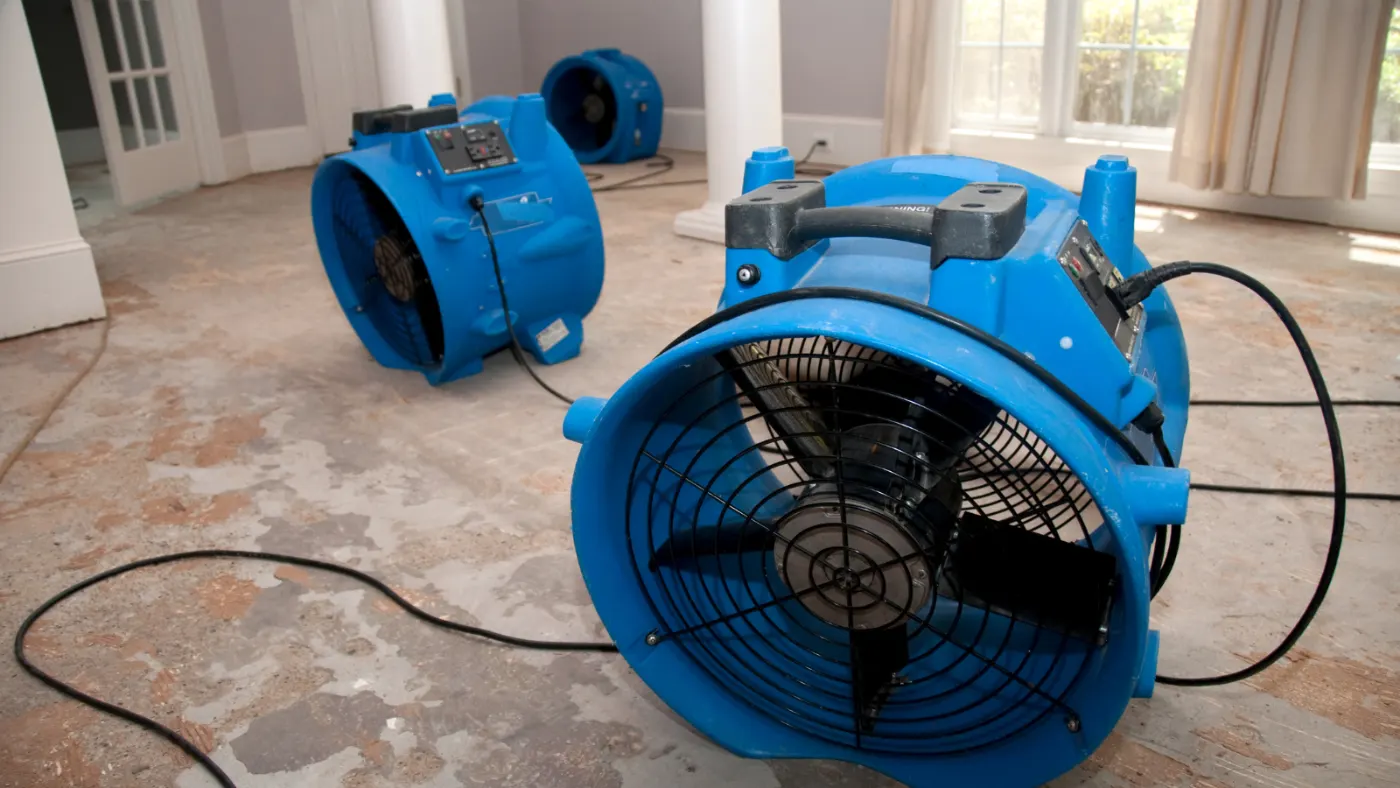
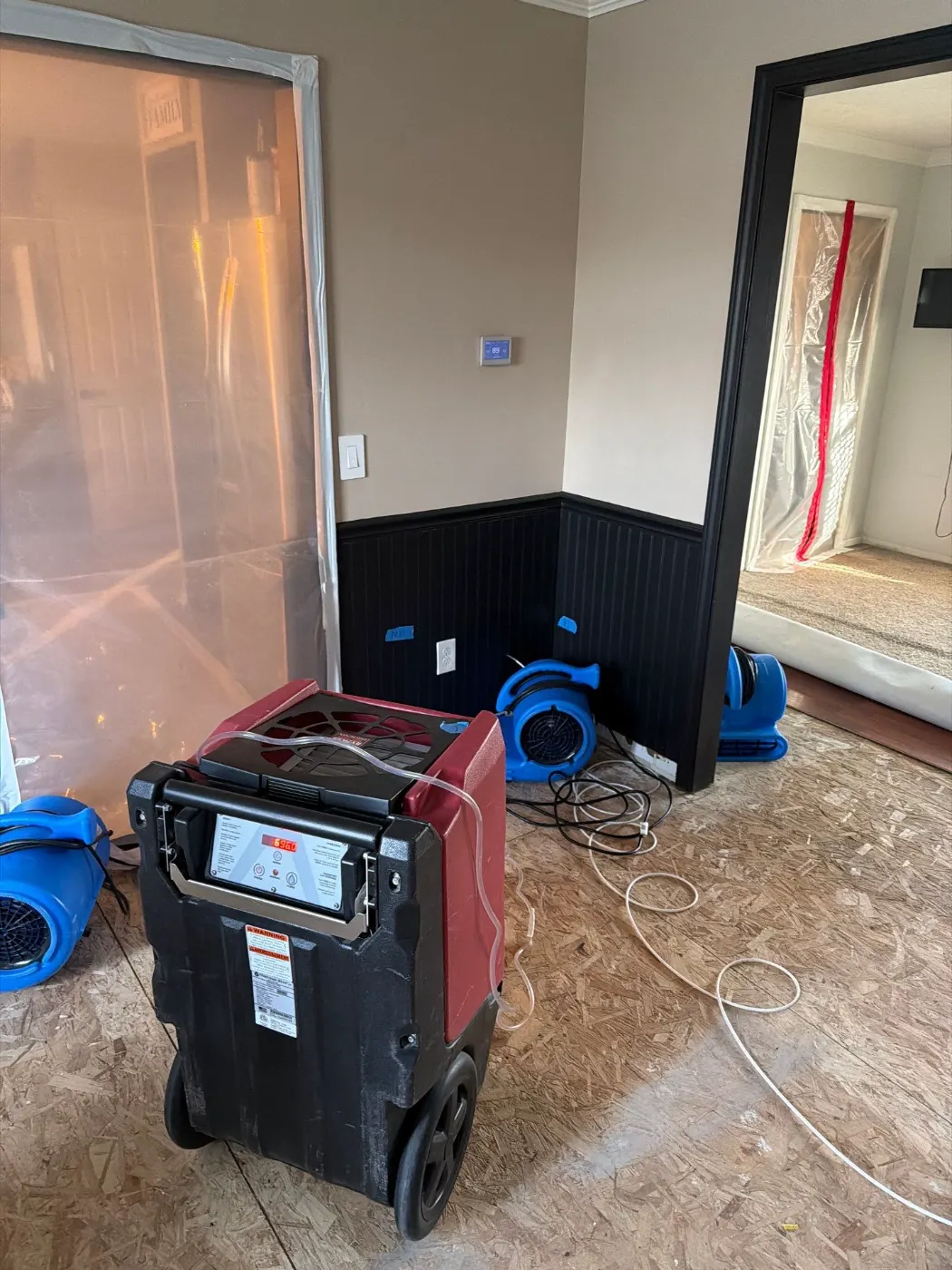
Recent residential and commercial water damage projects across Dayton and Tippecanoe County, from basement flood extractions to post storm reconstruction, photographed on site by the crew that did the work.
How We Restore Dayton Homes
The first 1-2 hours on a Dayton job are about assessment, not equipment. We walk the property, run thermal imaging and meter readings, and trace the source, whether a broken supply line, an appliance failure, a sewage backup, or storm intrusion. Water is classified Category 1, 2, or 3 per the IICRC S500 standard, because that classification drives every decision that follows, from PPE to materials disposal to antimicrobial protocol. The full scope of damage is mapped before a single piece of drying equipment is staged. Skipping this step is how restoration jobs go wrong.
Before mitigation begins we document everything, photos and video of every affected room, a written moisture map with logged meter readings, and a clear scope of work. We then contact your insurance adjuster directly and walk them through the loss, the Category, and the justification for each line of the mitigation plan. Most Dayton homeowners never have to translate restoration jargon to their carrier, we handle that conversation. The documentation is built to the standard adjusters expect, which is what keeps claims moving and prevents push back on covered scope.
Drying execution uses commercial dehumidifiers and professional air movers placed based on structural drying calculations for the affected square footage and material types. We return daily, log moisture readings, and adjust equipment until structures hit the dry standard, meaning moisture content in affected materials matches unaffected reference materials. Controlled demolition happens only where materials cannot be dried in place. Reconstruction then follows, drywall, insulation, flooring, paint, trim, and finish carpentry, performed in sequence so the home moves from emergency to finished without sitting in demolition for weeks.
Rapid Emergency Dispatch
When you call our 24 7 line for Dayton water damage, a certified technician is dispatched with extraction equipment, dehumidifiers, air movers, and moisture meters already on the truck. No second trip for gear. Work starts as soon as the crew is on site and the scope is confirmed.
Category Determination
Per IICRC S500, water is classified Category 1 (clean), Category 2 (gray), or Category 3 (black). We document meter readings, source, and contamination indicators in a written assessment. That classification drives PPE, containment, materials disposal, and antimicrobial protocol for the rest of the job.
Insurance Partnership
We work with your insurance carrier, not around them. Scope is justified with photos, moisture maps, and logged readings that match the IICRC standard. You get a clear explanation of covered work before anything starts, and we coordinate directly with your adjuster through the claim.
Drying To Verified Standard
Drying is not done when the floor feels dry. We return daily, log moisture readings, and confirm affected materials match unaffected reference materials before reconstruction begins. That verification step is what prevents the hidden moisture problems that show up as mold six weeks later.
What Causes Water Damage in Dayton
Refrigerator Ice Maker Line
Refrigerator leaks look minor and rarely are. Water tracks under the cabinet base and along the subfloor, so the affected area is always larger than the wet spot you can see. Meter readings set the drying scope, not the size of the puddle.
Sump Pump Failure
Spring storms hit Dayton basements hard when sump pumps fail. Power outages during storms, motor burnout, or stuck float switches all cause the pump to stop just when Dayton homeowners need it most.
Dishwasher Leak Under the Cabinet
Under a dishwasher there is a supply line, a drain hose, a door gasket, and a pump seal, and any of the four can weep for weeks without a puddle ever reaching open floor. What shows first is a soft toe kick or a cabinet bottom that has gone dark.
Fire Sprinkler Discharge
For a Dayton building owner the priority order is the valve, then the electrical, then the water. We coordinate the shutdown with your fire protection contractor, document the affected areas floor by floor, and start extraction while the system is being reset.
Frozen Pipe in an Exterior Wall
Kitchen sinks on outside walls, second floor baths over unheated garages, and any run through a rim joist are the usual spots. Opening cabinet doors on the coldest nights and letting a fixture trickle costs nothing and prevents most of these.
Appliance Failures
Water heaters fail from the tank outward, and the failure itself is usually the first sign. Dayton homeowners running an older unit with no pan and no floor drain are the ones who find out the hard way. When the tank lets go, it can release 50 gallons or more into the surrounding area.
Three Simple Steps
From emergency call to job complete, we follow a disciplined IICRC-certified process on every Dayton water restoration project.
We Answer, We Go
Everything needed to start is on the truck. One call to our 24/7 line puts a crew on the road within 2 hours.
The Moisture Survey
Every affected material is measured and the water is classified per IICRC S500. Everything documented for your insurance claim before any work begins.
Equipment Out, Home Back
Your home goes back the way it was, and the file says so. Dry gets demonstrated, not declared, and most Dayton jobs take 3 to 5 days.
Dayton Reviews
4.9 stars across 2,006+ Google reviews.
"Burst supply line under a bathroom sink while we were away for a weekend. Significant damage by the time we returned. They documented, extracted, dried, and the insurance covered everything."
"After a storm took out the power our sump pump quit. By morning the basement was flooded. The crew came out same day, drained everything, and had air movers running by 2pm."
"Storm came through and our roof started leaking onto the second floor. They tarped the roof, dried the interior, and worked with both our roofer and our insurance. Stress-free."
Indiana Weather Drives Restoration Calls Year Round
Indiana weather drives the calendar of water damage calls in Dayton. Spring brings saturated soils and basement intrusion through foundation walls. Summer delivers stationary thunderstorms that drop inches of rain in under an hour. Winter cold snaps burst supply lines in crawl spaces and exterior walls, often overnight when no one is awake to hear it.
Spring Saturation Flooding
Spring rain saturates the flat Midwestern soils around Dayton and pushes groundwater against foundation walls and slab joints. Basements take on water through cove joints, wall cracks, and failed sump pumps. When called in, we extract standing water, pull saturated insulation and drywall to the wet line, and set up structural drying before mold takes hold.
Severe Thunderstorms
Tippecanoe County sees stationary thunderstorms that drop inches of rain in under an hour, overwhelming storm drains and pushing water into lower level living spaces. We have seen the runoff move fast enough to flood subdivision streets. Our crews respond with commercial extraction equipment and dehumidification sized to the affected square footage.
Winter Pipe Bursts
Indiana freeze thaw cycles burst supply lines in uninsulated crawl spaces, exterior wall chases, and unheated garage walls, often at 2 AM during a cold snap. By the time a Dayton homeowner finds it, water has traveled through framing and into ceilings below. We extract, dry, and document for insurance, then rebuild the affected assemblies.
Ice Dam Backups
Ice dams along eaves push meltwater under roof edges and into ceilings and exterior wall cavities. The water shows up as stained drywall and wet insulation in upper floor rooms across Dayton. We open the affected assemblies, dry the framing and sheathing, treat with antimicrobial when needed, and rebuild the interior finishes.
Familiar Dayton Streets, Familiar Problems
Restoration projects completed across Dayton's established and custom-home communities. Click any neighborhood for the specifics we have learned working there.
Where we respond near Dayton
Indiana-licensed crews dispatched 24/7 to Dayton and the closest surrounding communities.
Water damage pricing in Dayton
Mitigation ranges calibrated to the Dayton market. Final pricing depends on water volume, materials affected, and IICRC Category.
Frequently Asked Dayton Water Damage Questions
Straight answers to the questions Dayton homeowners ask most.
Expert Dayton Restoration Crews Available Now
If water is spreading through your Dayton home right now, or you suspect hidden moisture after a recent storm or leak, call Dayton Water Restoration for fast emergency dispatch. The inspection is free, there is no obligation, and we coordinate directly with your insurance carrier on covered scope.