Commercial Flood Damage Cleanup in Dayton, IN
Waterline photos and daily readings for Dayton flood losses, organized for the owner and the flood policy adjuster.
For Commercial Flood Damage Cleanup in Dayton, Dayton Water Restoration brings the equipment, the certifications, and the paperwork: 24/7 response, written scopes, and insurance claim support. Call (463) 241-6041 for dispatch.
- Service: Commercial Flood Damage Cleanup for Dayton homeowners
- Service area: Dayton, IN and surrounding areas
- Response time: Emergency calls from Dayton dispatched immediately, day or night
- Licensed and insured (License #RC21100059)
- Serving Dayton, IN since 2018
Commercial Flood Cleanup in Dayton
We handle commercial flood cleanup across Dayton, and we'll start with the areas your business needs back first.
Flood Exposure Here
Flood risk here runs highest for sites close to Wildcat Creek and the Wabash River. Your building's own flood exposure gets mapped when we walk the site with your facilities contact.
Our flood crews work commercial sites throughout Dayton, including the blocks around Wainwright Middle School and McCutcheon High School. We also handle commercial flood cleanup in Lafayette, Battle Ground, Stockwell and Clarks Hill.
Commercial Flood Damage Cleanup for Dayton Businesses
High groundwater in low parts of Indiana can push water up through slab joints and floor drains even when nothing has overflowed outside. A sump pit that loses power during a storm lets the level climb fast. Dayton Water Restoration handles commercial flood damage in Dayton when groundwater and surface water have both reached the lower level, and treats that water as contaminated until the crew knows otherwise.
Property managers want to know who they'll be talking to on a loss this size. Dayton Water Restoration names the contacts for scheduling and documentation on day one, and the crew lead walks your Dayton building with your engineer before any equipment goes in. Daily notes with readings and photos go to the people you choose, whether that's your office or ownership.
Inventory triage gets documented before anything moves. The crew photographs product in place, records what was sitting in water and how deep, separates what's salvageable from what isn't, and logs quantities by item. Cases on the bottom layer of a pallet usually tell the story for the whole stack. That record is what supports the inventory portion of the claim, and it has to exist before the dumpster shows up.
Mitigation and reconstruction are two scopes in one file. The mitigation side covers pumping, extraction, drying, removal, and disposal, priced and documented while the equipment runs. The reconstruction side covers putting the building back, priced from measured quantities once the affected area is known. Keeping them separate and in order makes the file easy to follow, and Dayton Water Restoration documents both.
Property managers call Dayton Water Restoration for the whole arc of a commercial flood loss, from pumping and drying to pack out, documentation and the rebuild after. Dispatch to Dayton runs within two hours, day or night. Get the water out of the building first, and the rest of the decisions get easier with real readings in front of you.
Signs You Need Commercial Flood Damage Cleanup
If you notice any of these in your Dayton building, schedule a free inspection before the issue worsens.
Sewer smell on the lower level after floodwater came up through the floor drains
Buckled or crowned laminate and engineered flooring in a break room, lobby, or office suite
A dark tide line on drywall or wall base running along a corridor at a consistent height
Water tracking in from under a loading dock door, leaving a silt line across the slab
VCT or sheet vinyl lifting at the seams, with adhesive bleeding through or going soft underfoot
Raised access floor panels rocking or sounding hollow, with standing water in the plenum below
Doors that stick or swell at the bottom edge after water reached the frames
A musty or sour smell strongest at return air grilles or when the air handlers first start up
An expansion joint or control joint in the slab weeping water or staying dark for days
Creek or retention pond water that has crested its banks and is still rising near the building
How Dayton Water Restoration Handles Commercial Flood Damage Cleanup
We follow these steps in order on every Dayton job.
Waterline and Condition Photos
Before anything moves, the crew photographs the building as the water left it. Waterline marks get measured at several points in each room, with depths and heights logged beside the photos.
Cleaning the Structure
Concrete and block that stood in floodwater are washed with detergent from the top of the wall down and rinsed out. An antimicrobial treatment follows when the scope includes one, so drying starts on a clean surface.
Slab and Concrete Drying
Concrete and masonry hold bound water long after the surface feels dry. In situ relative humidity probes and surface readings taken from the same marked locations daily show what the slab is doing, which is what decides when flooring can go back down over it.
Dehumidification Sizing
Dehumidifier and air mover counts come from the cubic volume of the affected space and the amount of wet material. Refrigerant units handle open floor area, desiccant units pull moisture out of masonry and concrete, and the math gets rechecked as the daily readings move.
Phased Section Release
Areas that reach dry standard get released back to use while the crew keeps working sections that still hold moisture. Each release carries the readings for that zone, which lets the property come back in pieces as the building and your own occupancy requirements allow.
Commercial Flood Damage Cleanup in Dayton
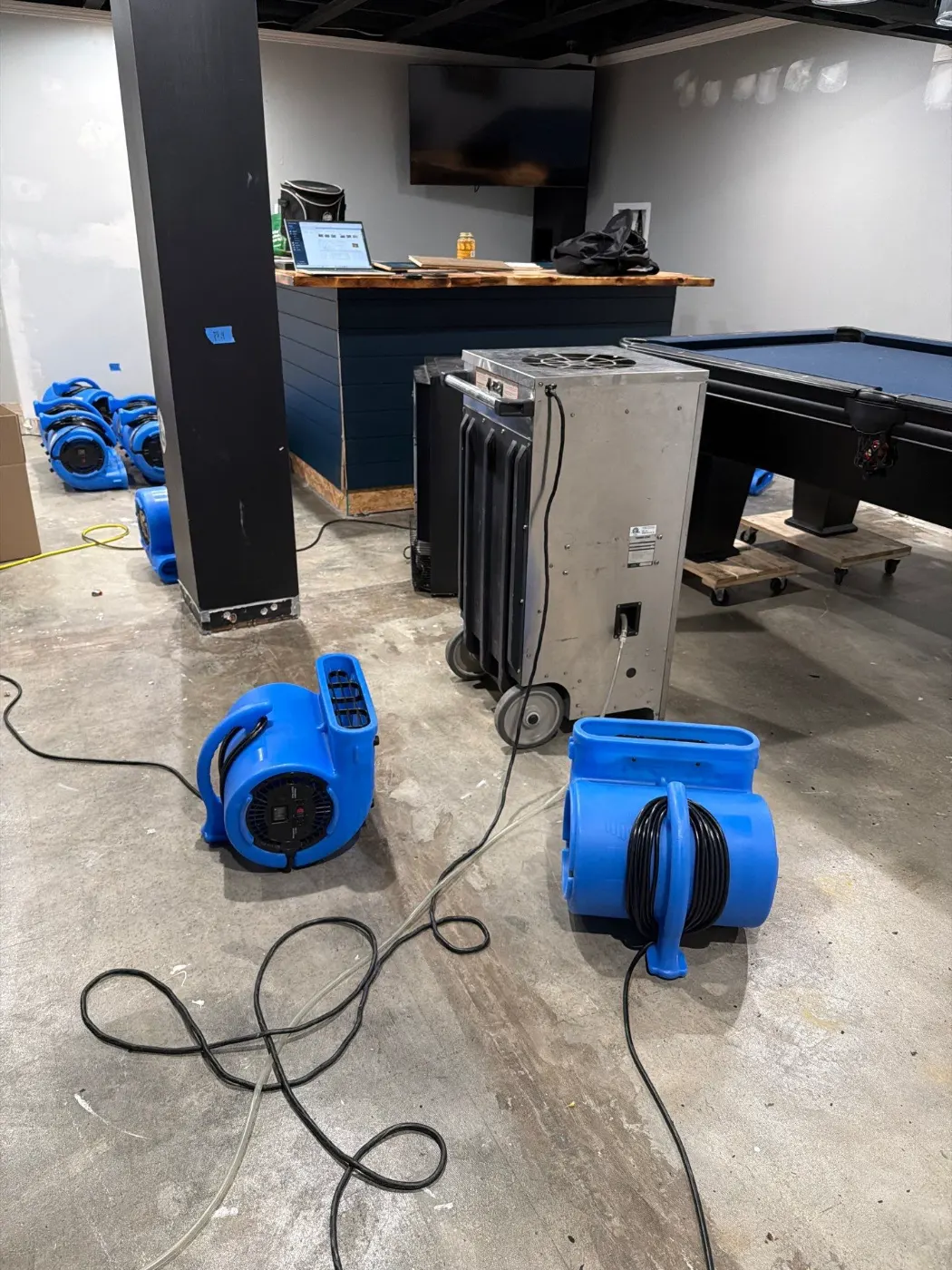
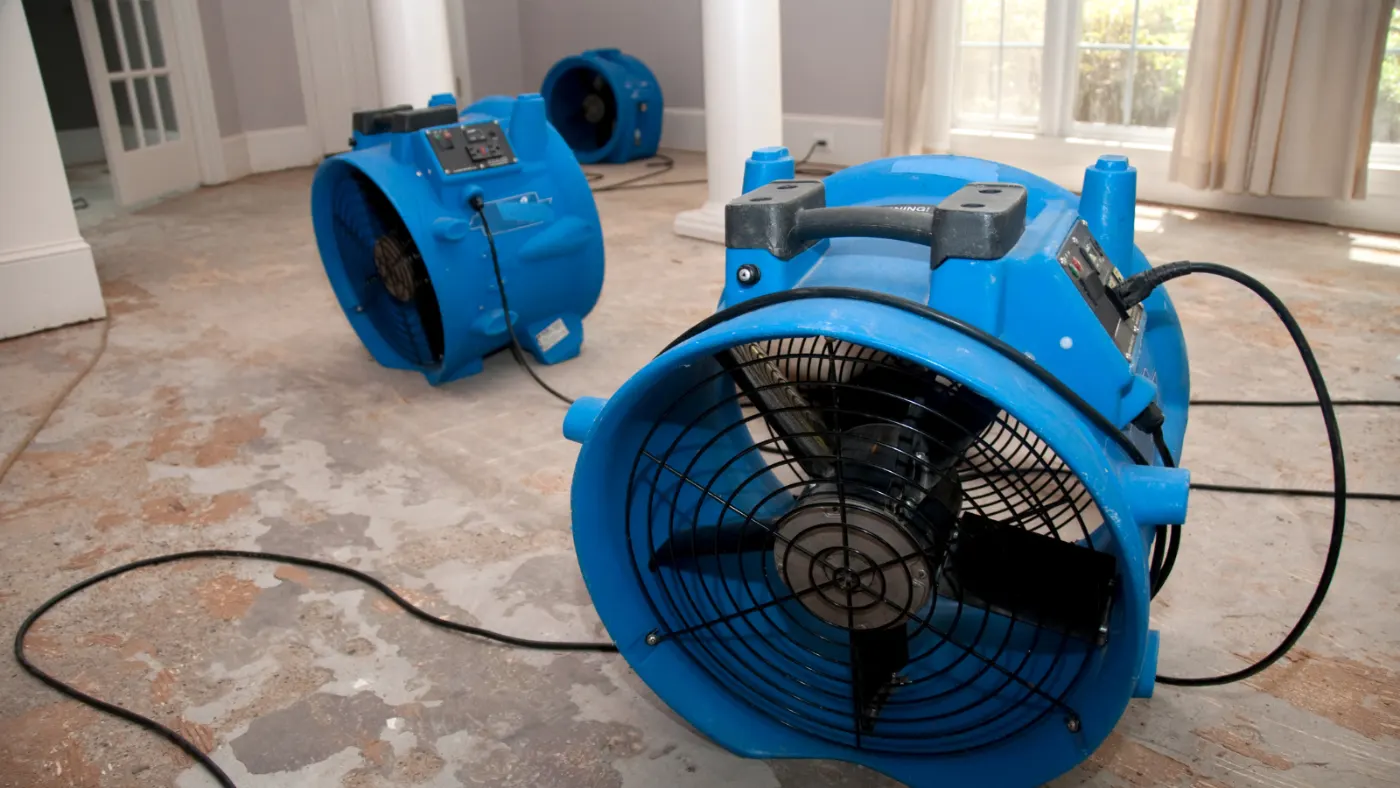
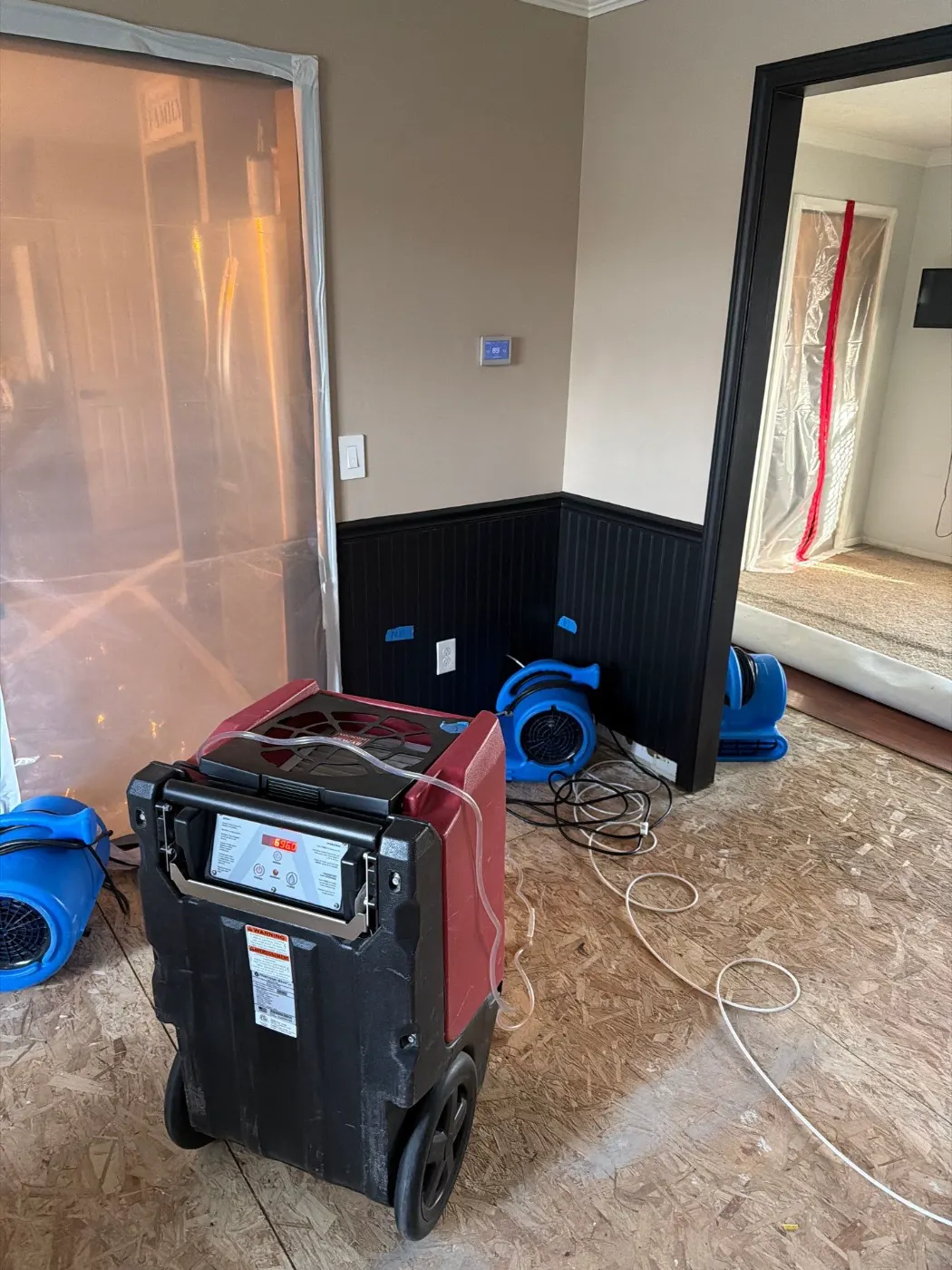
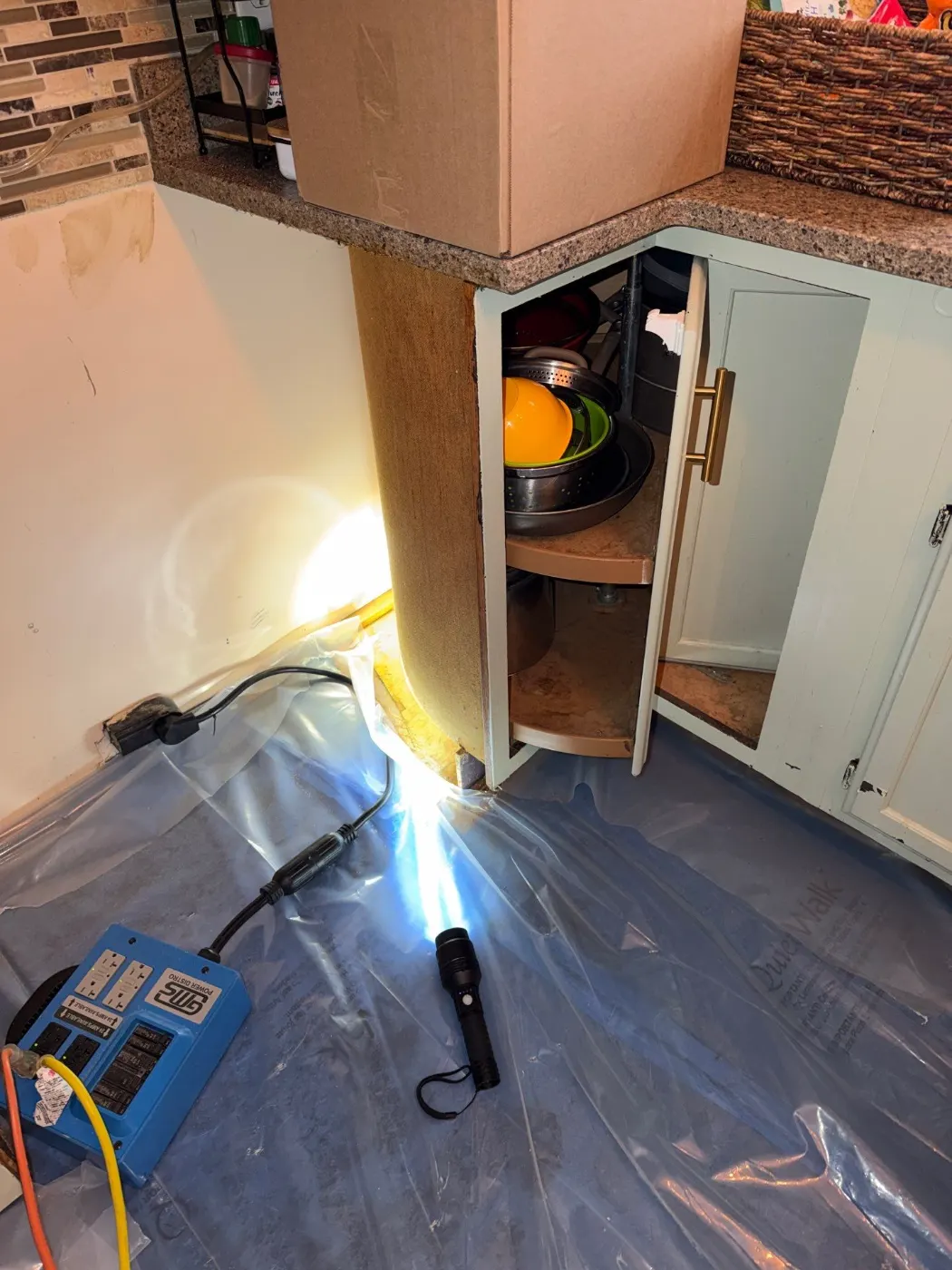
Photographs from real commercial flood damage cleanup jobs completed by our crew in Dayton and surrounding areas.
Commercial Flood Damage Cleanup FAQ
Questions Dayton property managers ask us about commercial flood damage cleanup.
Guidance and Standards for Commercial Flood Damage Cleanup
- The ANSI/IICRC S500 is the published standard for professional water damage restoration. The current edition is the Fifth Edition, 2021. IICRC S500 Standard
- EPA advises drying water damaged areas and items within 24 to 48 hours to prevent mold growth. EPA: A Brief Guide to Mold, Moisture and Your Home
Dayton Neighborhoods We Serve
We take commercial flood damage cleanup calls in every part of Dayton. Pick your neighborhood for local details.
Other Restoration Services in Dayton
Dayton Water Restoration handles the full scope of restoration work. Explore our other services below.
Water Damage Restoration in Dayton
24/7 emergency response. IICRC certified water restoration from extraction to full dry out.
Learn more →Basement Flooding in Dayton
Basement water emergencies handled fast. Extraction, drying, mold prevention.
Learn more →Sewage Cleanup in Dayton
Category 3 biohazard cleanup. Full containment, decontamination, structural restoration.
Learn more →Request Commercial Flood Damage Cleanup
Reach Us Directly
Our team is available 24/7 for emergencies and ready to schedule inspections during business hours.
Need Immediate Help?
For active water or mold emergencies, call us directly. We are available 24/7.