Sewage Cleanup in Dayton, IN
After the sewage is out, Dayton Water Restoration dries your Dayton home until the readings match the dry reference
When Dayton homeowners need Sewage Cleanup, Dayton Water Restoration responds 24/7 with certified technicians, fast equipment deployment, and claim ready documentation. Call (463) 241-6041 for immediate dispatch.
- Service: Sewage Cleanup for Dayton homeowners
- Service area: Dayton, IN and surrounding areas
- Response time: Rapid emergency dispatch for Dayton inquiries; crews available 24/7
- Licensed and insured (License #RC21100059)
- Serving Dayton, IN since 2018
Sewage Backup Cleanup in Dayton
We clean up sewage backups in homes across Dayton, and we'll disinfect whatever can stay.
Sewer Lines Here
Many older homes here still have clay or cast iron sewer laterals. That's the pipe that carries waste out to the street sewer.
We work in every corner of Dayton, including Dayton Historic District and the blocks around McCutcheon High School and Dayton Town Hall. We also clean up sewage backups in Clarks Hill, Shadeland, Lafayette and Battle Ground.
Expert Sewage Cleanup for Dayton Homeowners
A failed sewage ejector pump sends everything from the basement bathroom back onto the basement floor. It usually happens while nobody's home to hear the alarm. A crew dispatches to Dayton within 2 hours. It pulls out the waste with solids handling equipment and sets containment before any air moves, because moving air across open sewage carries it into rooms the water never reached.
Crawl spaces get the same containment and protective gear as a basement on a sewage job. Dayton Water Restoration pumps out the waste, pulls the soaked vapor barrier and insulation, treats the exposed soil and runs HEPA filtration while the space dries. New sheeting goes in after the readings clear, and the photos show your Dayton crawl space before and after.
Weather changes how the drying goes. In winter the heat stays on in the work area, since cold slows drying, and in muggy summer weather the dehumidifiers carry more of the load. Dayton Water Restoration adjusts the equipment during the daily checks on your Dayton job and logs the temperature and humidity along with the moisture readings.
Your own photos help as much as anyone's. Before the Dayton Water Restoration crew touches anything in your Dayton home, take wide shots of each affected room and close ups of the source and the water line on the walls. Put a tape measure in the frame to show how high the water reached, and photograph belongings that are sitting in it.
The sooner the waste comes out, the less of the room goes with it. Call Dayton Water Restoration for 2 hour dispatch to Dayton and the surrounding Tippecanoe County, and the crew will walk the loss with you, mark the removal line off the meters and give you the scope in writing before anything comes off the wall.
Signs You Need Sewage Cleanup
If you notice any of these in your Dayton home, schedule a free inspection before the issue worsens.
Cardboard boxes on the basement floor with wicking stains and soft buckled bottoms
Laminate or vinyl plank flooring lifting at the seams after a toilet overflowed with waste
Sewage smell strongest along one wall where the drain line runs behind the drywall
Dark gritty water standing around the floor drain with paper debris floating in it
Several drains in the house running slow at the same time with no obvious clog
An extension cord or power strip sitting in standing water near the basement drain
Waste tracked from the backup room onto dry carpet on shoes and paws
Septic tank alarm sounding while the toilets gurgle and the tub fills from below
A second backup within weeks of a plumber clearing roots from the line
Gurgling from the shower drain every time the toilet refills after a flush
How Dayton Water Restoration Handles Sewage Cleanup
We follow these steps in order on every Dayton job.
Safety Walkthrough
Before anyone steps into standing water, the crew looks for outlets and cords touching it and shuts off the circuits that serve the wet area from a dry spot. The walkthrough also settles which doorway the crew uses, so traffic stays off clean floors.
Source Isolation
Work opens with stopping the inflow. The crew locates the backup point, confirms whether the blockage sits on the house side or the public side of the line, and coordinates with the drain contractor clearing it while containment and extraction get staged.
Scope Review
Once the readings are in, the crew walks you through the written scope. It lists each material proposed for removal and the reason for it, plus the cut lines the meters support, and nothing comes off the wall until you've seen it.
Ceiling and Cavity Opening
Where the water traveled down or into a wall, the crew opens the ceiling or the wall cavity until the readings come back dry. Wet insulation comes out, and the exposed framing is photographed before it gets cleaned.
Line follow up
After the cleanup, the plumber's camera inspection of the lateral shows why the line backed up. The crew adds those findings to your file, and it's a good moment to ask the plumber about a backwater valve.
Sewage Cleanup in Dayton
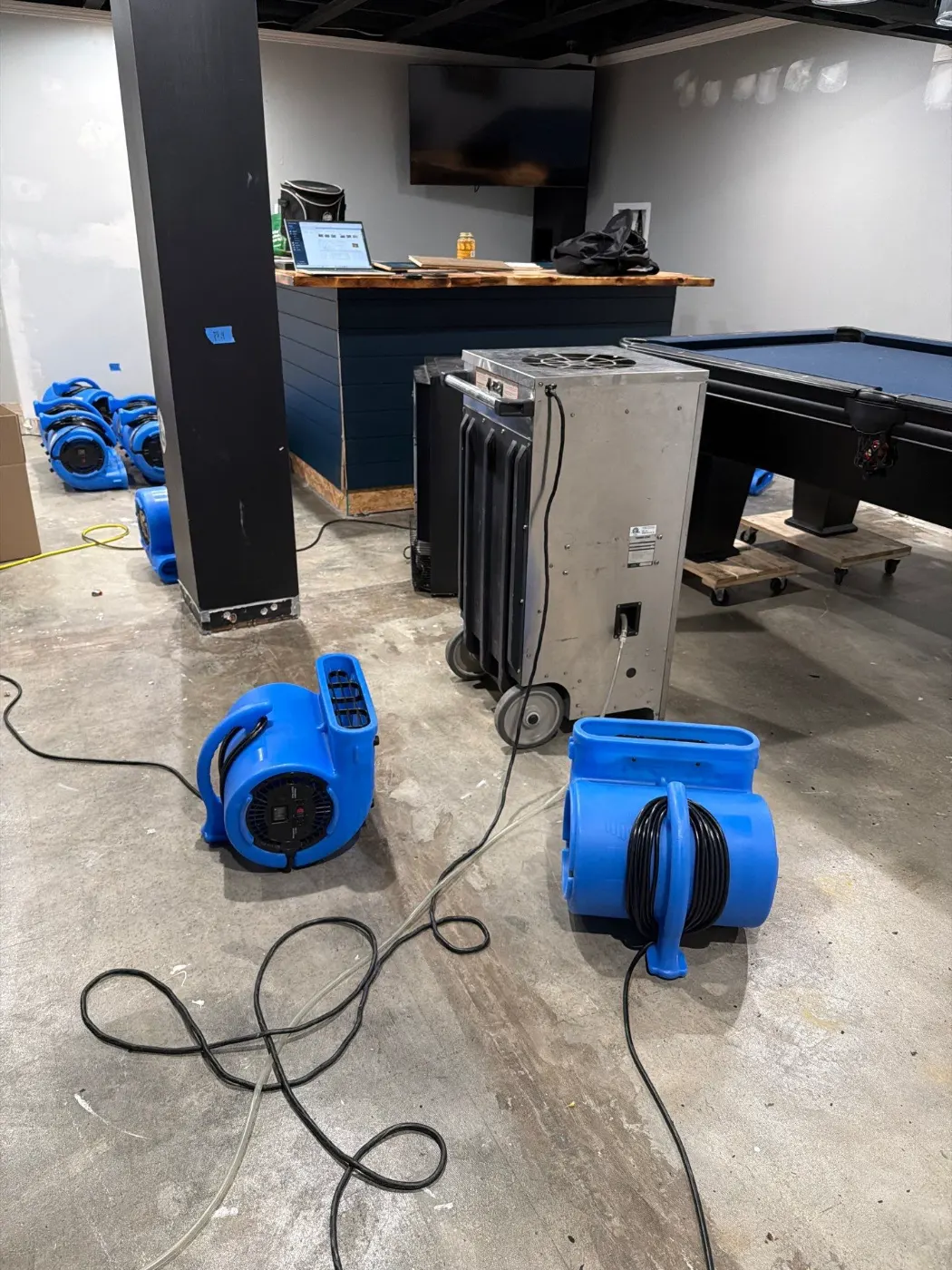
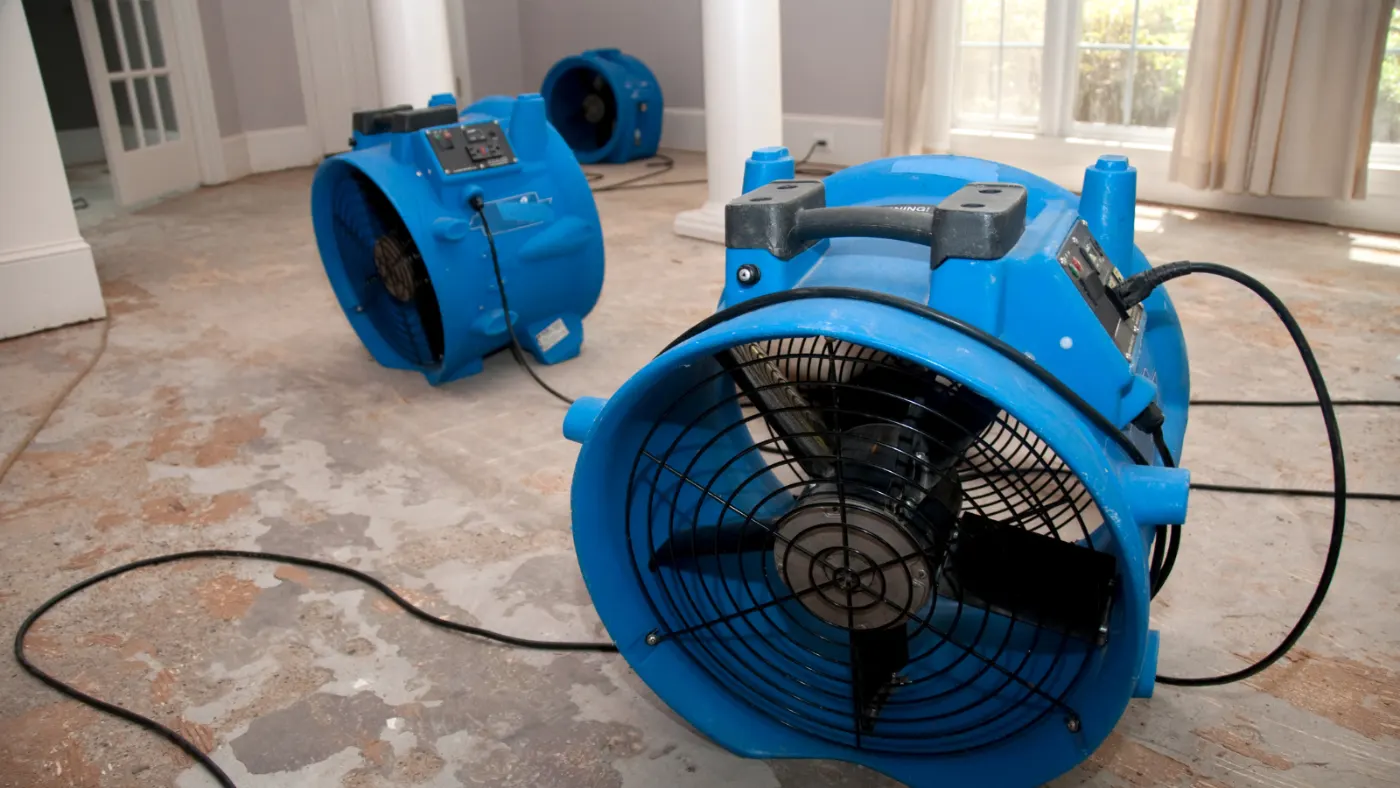
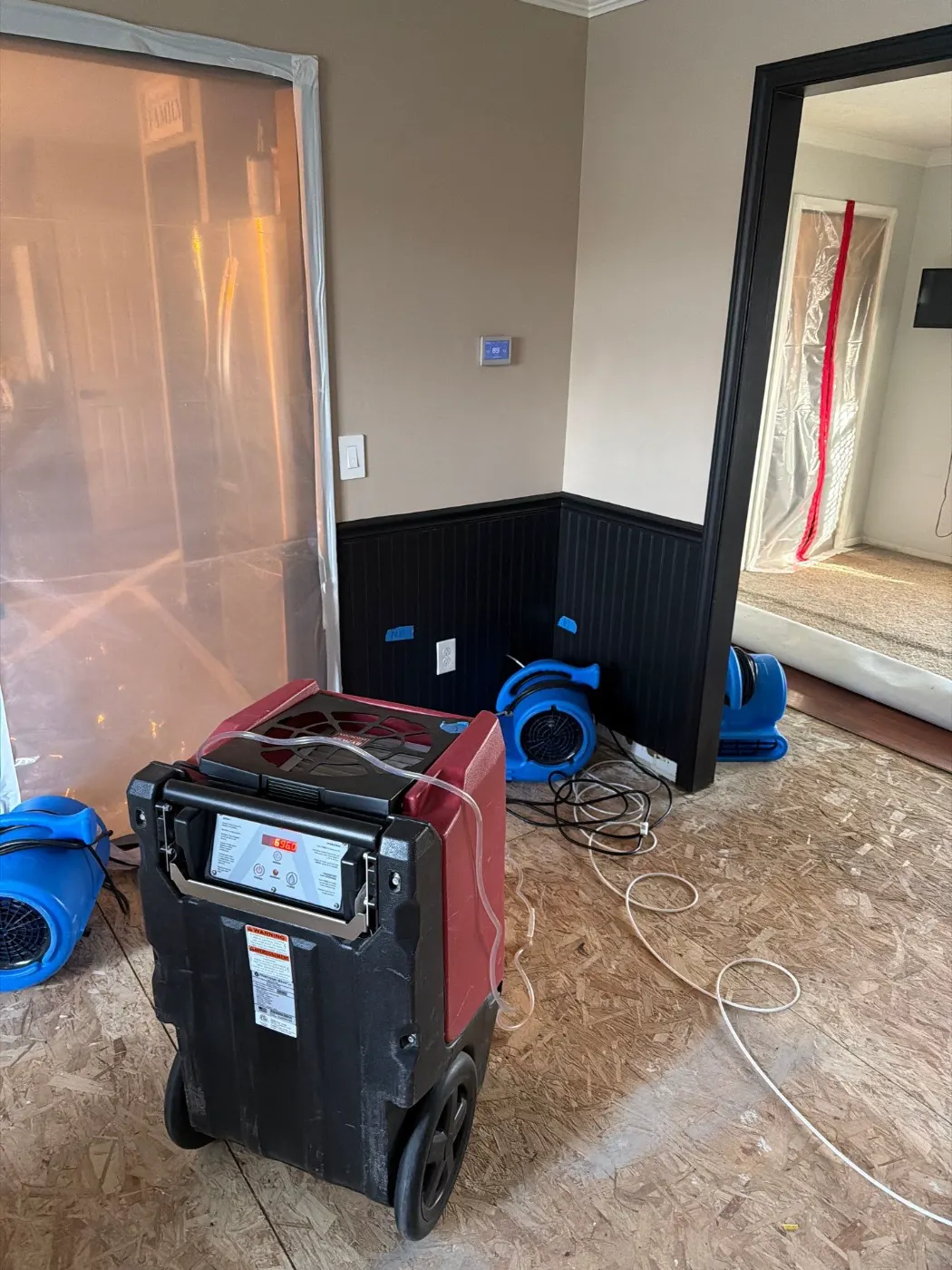
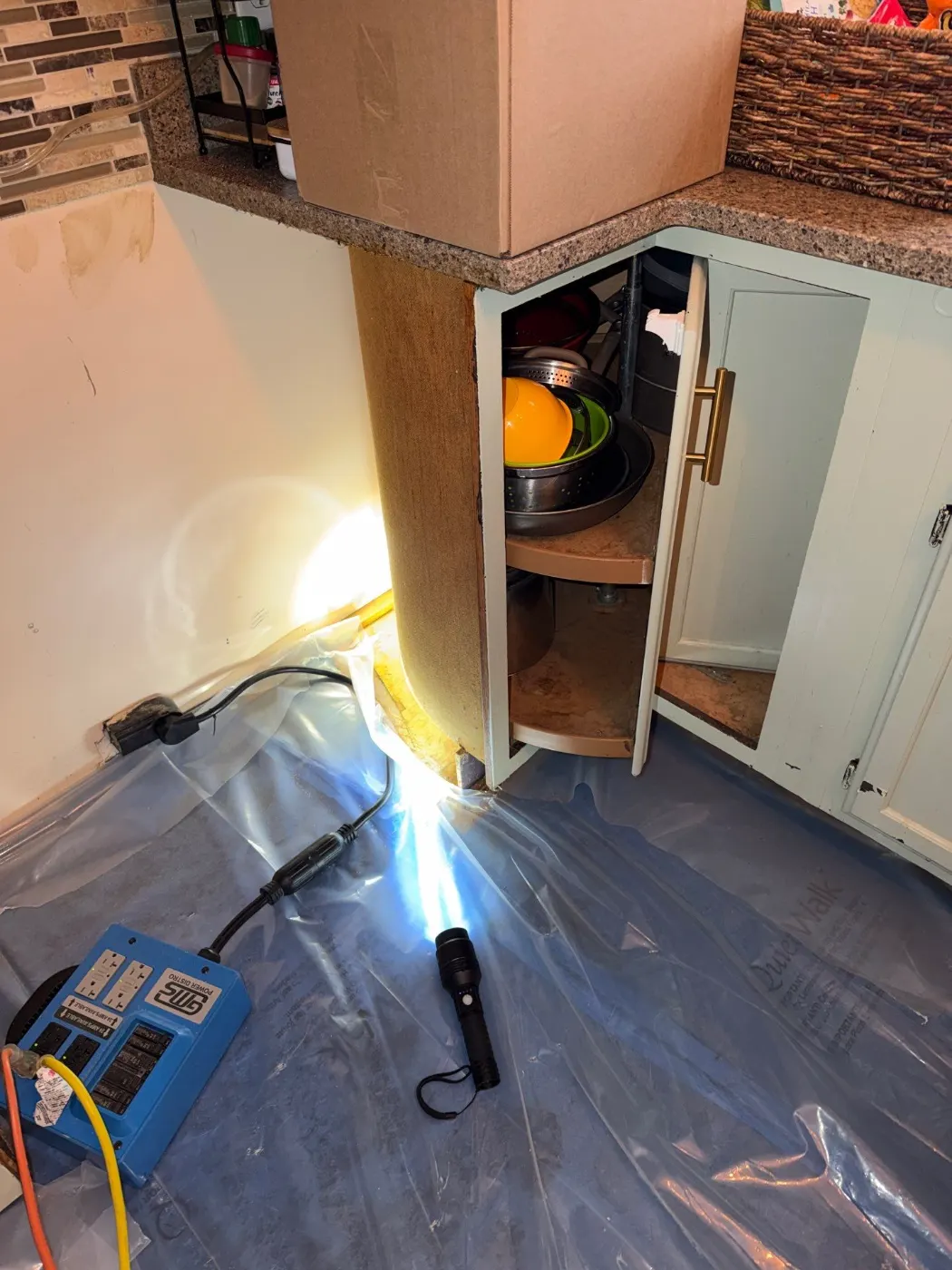
Photographs from real sewage cleanup jobs completed by our crew in Dayton and surrounding areas.
Sewage Cleanup FAQ
Questions Dayton homeowners ask us about sewage cleanup.
Guidance and Standards for Sewage Cleanup
- The ANSI/IICRC S500 is the published standard for professional water damage restoration. The current edition is the Fifth Edition, 2021. IICRC S500 Standard
- The Indiana Department of Insurance advises against permanent repairs before your insurance company inspects the damage. Check your own policy for what it covers. Indiana Department of Insurance: Insurance Claim Tips
Dayton Neighborhoods We Serve
We take sewage cleanup calls in every part of Dayton. Pick your neighborhood for local details.
Other Restoration Services in Dayton
Dayton Water Restoration handles the full scope of restoration work. Explore our other services below.
Water Damage Restoration in Dayton
24/7 emergency response. IICRC certified water restoration from extraction to full dry out.
Learn more →Basement Flooding in Dayton
Basement water emergencies handled fast. Extraction, drying, mold prevention.
Learn more →Storm Damage in Dayton
Storm related water emergencies. Tarping, extraction, drying, and full restoration.
Learn more →Request Sewage Cleanup
Reach Us Directly
Our team is available 24/7 for emergencies and ready to schedule inspections during business hours.
Need Immediate Help?
For active water or mold emergencies, call us directly. We are available 24/7.