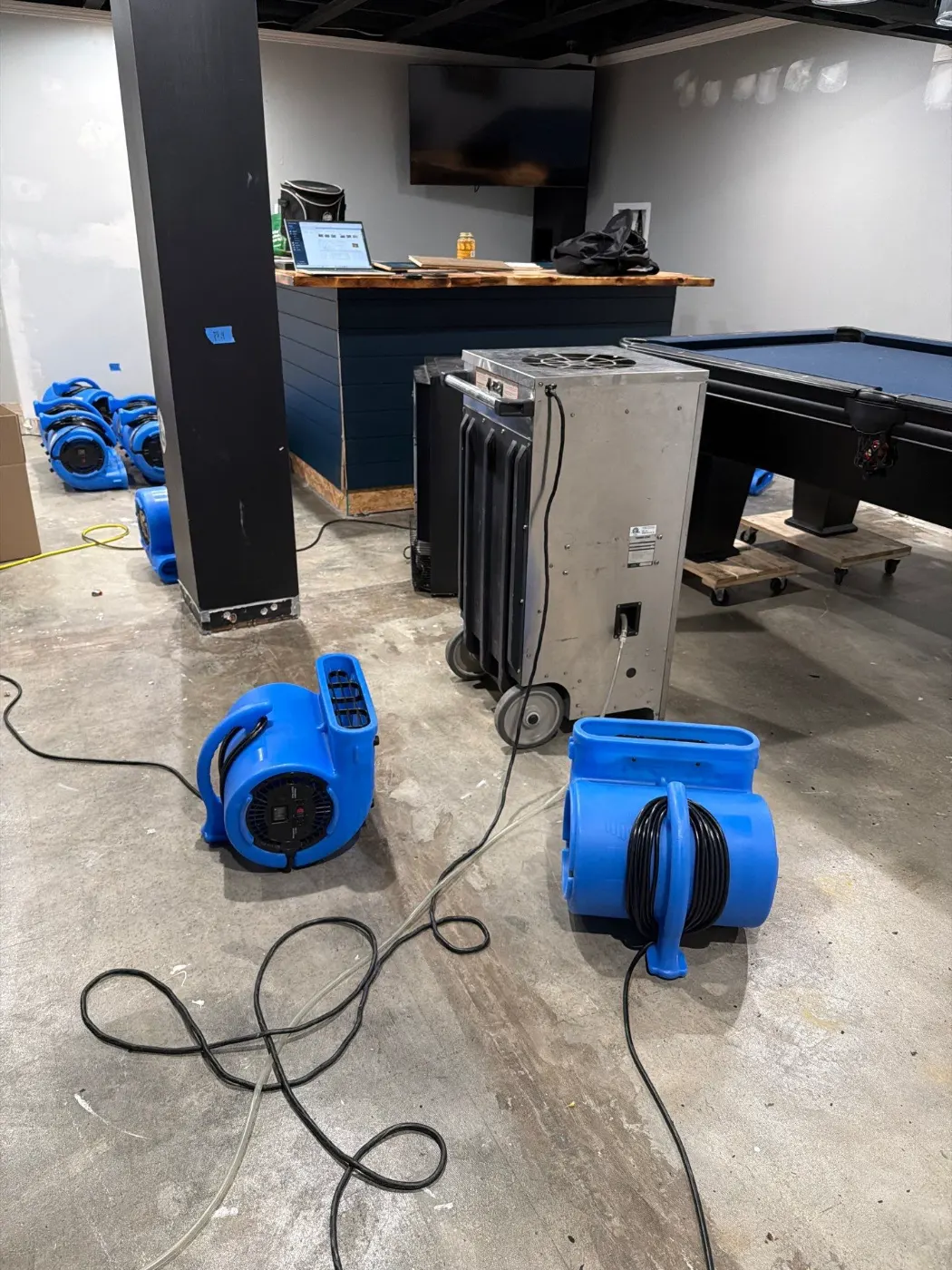
Commercial Storm Damage in Dayton, IN
Multitenant buildings and warehouse slabs get commercial drying capacity across Dayton and Tippecanoe County.
When Dayton homeowners need Commercial Storm Damage, Dayton Water Restoration responds 24/7 with certified technicians, fast equipment deployment, and claim ready documentation. Call (463) 241-6041 for immediate dispatch.
- Service: Commercial Storm Damage for Dayton homeowners
- Service area: Dayton, IN and surrounding areas
- Response time: Around the clock dispatch; Dayton emergencies move to the front of the line
- Licensed and insured (License #RC21100059)
- Serving Dayton, IN since 2018
Commercial Storm Damage Cleanup in Dayton
We'll secure and dry commercial buildings in Dayton after a storm opens the roof or floods a lower level.
Storms Here
Spring and summer are severe thunderstorm season here, and ice storms hit some winters. NWS Indianapolis posts summaries of past storms, which helps when your carrier asks for a date.
We respond to storm calls from businesses anywhere in Dayton, including those around Walnut Street and Dayton Elementary School. We also handle commercial storm damage in Lafayette, Battle Ground, Stockwell and Clarks Hill.
Commercial Storm Damage for Dayton Businesses
What a commercial storm loss ends up costing depends mostly on how long the water sat. Wet roof insulation and saturated gypsum that nobody dried turn a mitigation scope into a reconstruction scope, and your carrier will ask when you first knew. Dayton Water Restoration documents the loss from the first hour on site at your Dayton property and dispatches a crew within two hours of the call.
On a storm job, Dayton Water Restoration gets a temporary dry in over the breach before the interior drying starts. Extraction runs underneath it on the same visit, and the cover gets checked after every rain while the interior equipment runs. The permanent roof repair stays on the work order until a roofing scope takes it over at your Dayton property.
Occupied suites in Dayton that can't close get dried in phases. Dayton Water Restoration crews work one section, then move the equipment and start the next, with the loud and dusty parts scheduled for when the space is empty. Drying takes a little longer that way and the business keeps running, which is usually the trade a property manager would pick if somebody asked.
Water that rose from outside, such as runoff reaching a loading dock, and water that backed up through a drain are often treated differently from rain that came through the building. Flood and drain backup coverage commonly sit outside the main commercial property form. Dayton Water Restoration records how the water entered your Dayton property, because that decides which coverage question applies.
Call Dayton Water Restoration and get a crew dispatched to your Dayton, IN building within two hours. Extraction, structural drying and the emergency dry in run as one job, which keeps the drying equipment from fighting a live leak. Ask about after hours scheduling for tenant spaces that can't close during the day.
Signs You Need Commercial Storm Damage Restoration
If you notice any of these in your Dayton building, schedule a free inspection before the issue worsens.
Silt or sediment left as a film on the receiving area floor once the water drains off
Damp, darkened flooring in a band just inside the main entrance after a windy rain
Corrosion on a fire sprinkler line or head where the pipe runs close to the roof deck
Water lines on the lower walls of a dock office or receiving area
Floor drains or cleanouts that gurgle or push water up during a heavy rain
Stored records or fixtures with wet edges or water stains along the bottom
Standing water in a rooftop unit's drain pan, or condensate running down the duct below it
Cardboard cartons on the bottom pallet positions that have darkened and gone soft
Standing water ponding on the roof more than two days after the rain stopped
Ceiling tiles sagging, stained brown at the center, or crumbling along the grid in one area of a floor
How Dayton Water Restoration Handles Commercial Storm Damage
We follow these steps in order on every Dayton job.
Power and Safety Walk
Before extraction starts, the crew walks the wet areas with your building engineer and confirms which circuits serve them. Cords run through ground fault protection, and the electrician decides what can be reenergized.
Water Path Check
The crew traces the water from the roof breach down through the ceiling to the floors below and photographs the path. Water that backed up out of a drain tied into a sanitary line gets handled as sewage, and that call drives the protocol.
Extraction and Debris Removal
Standing water comes off floors with portable and truck mounted units. Saturated lay in tile and wet batt insulation get bagged and hauled out. Water held in the plenum is released through controlled openings so it stops dripping onto tenant equipment.
Occupied Space Planning
Suites and corridors that must stay in service get marked on the plan before any equipment is staged, along with where the barriers go. The loud work is scheduled for hours when the space is empty.
Ceiling and Finish Rebuild
Grid gets releveled, new lay in tile goes in, and insulation is replaced to the assembly's original value. Painted surfaces get primed and finished to a line that reads as original, and flooring goes back once slab readings allow it.
Commercial Storm Damage in Dayton
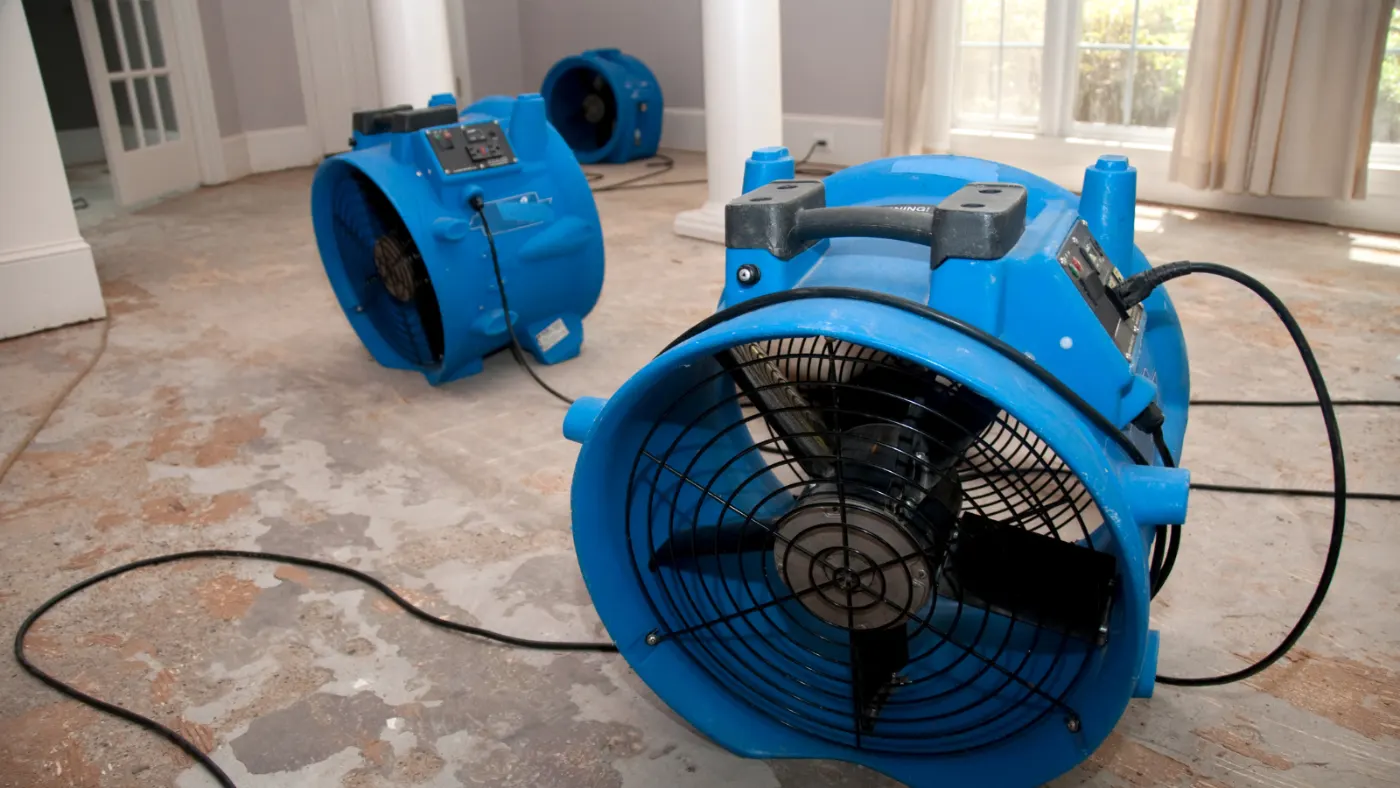
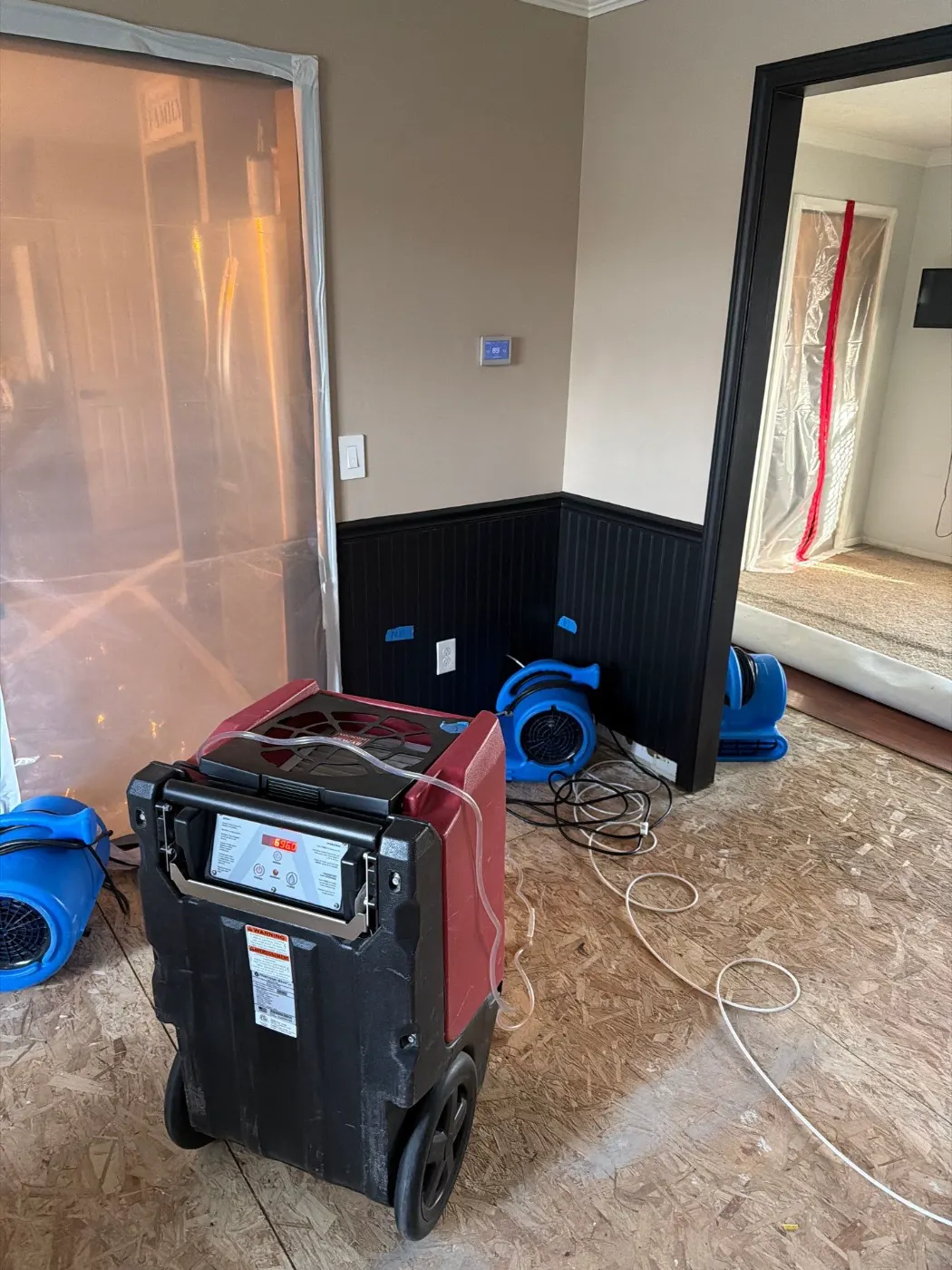
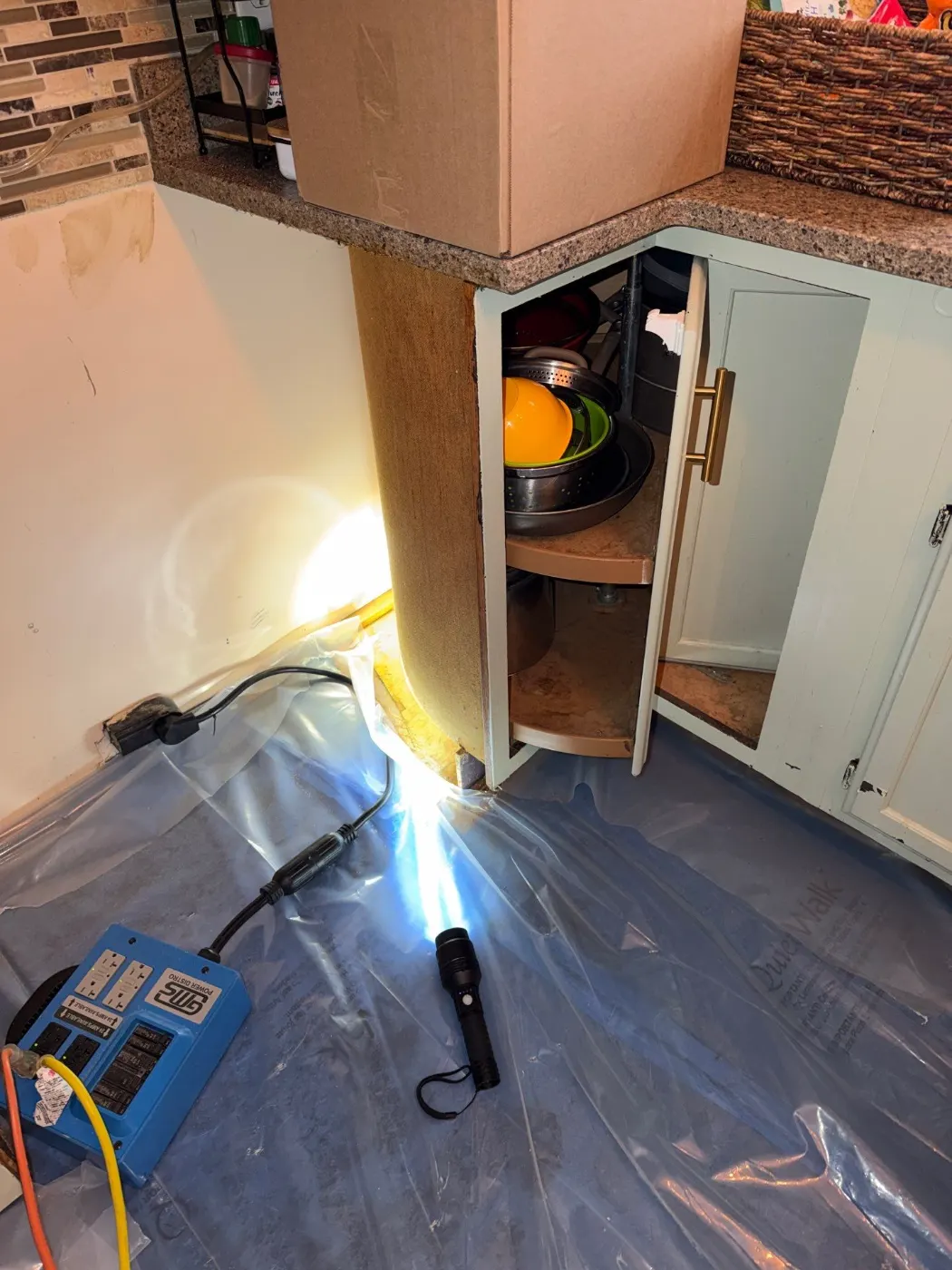
Photographs from real commercial storm damage jobs completed by our crew in Dayton and surrounding areas.
Commercial Storm Damage FAQ
Questions Dayton property managers ask us about commercial storm damage restoration.
Guidance and Standards for Commercial Storm Damage
- The National Weather Service office in Indianapolis posts summaries of recent central Indiana storm and flood events. NWS Indianapolis Event Summaries
- The ANSI/IICRC S500 is the published standard for professional water damage restoration. The current edition is the Fifth Edition, 2021. IICRC S500 Standard
Dayton Neighborhoods We Serve
We take commercial storm damage calls in every part of Dayton. Pick your neighborhood for local details.
Other Restoration Services in Dayton
Dayton Water Restoration handles the full scope of restoration work. Explore our other services below.
Water Damage Restoration in Dayton
24/7 emergency response. IICRC certified water restoration from extraction to full dry out.
Learn more →Basement Flooding in Dayton
Basement water emergencies handled fast. Extraction, drying, mold prevention.
Learn more →Sewage Cleanup in Dayton
Category 3 biohazard cleanup. Full containment, decontamination, structural restoration.
Learn more →Request Commercial Storm Damage Restoration
Reach Us Directly
Our team is available 24/7 for emergencies and ready to schedule inspections during business hours.
Need Immediate Help?
For active water or mold emergencies, call us directly. We are available 24/7.