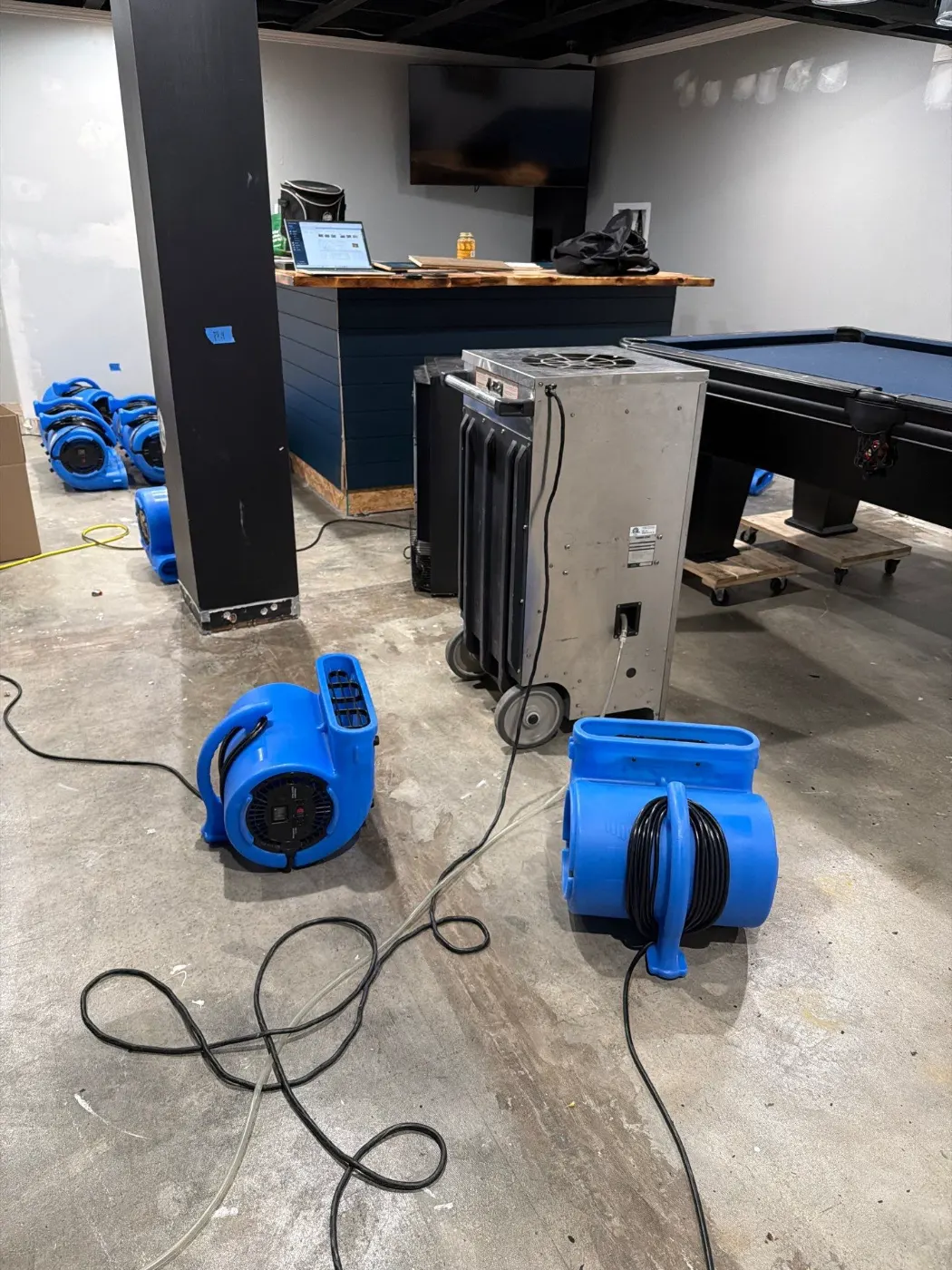
Commercial Mold Remediation in Dayton, IN
Phased containment lets part of your Dayton floor stay open while the rest is remediated.
For Commercial Mold Remediation in Dayton, IN, Dayton Water Restoration starts with a scheduled certified assessment and a scope in writing, no work begins without your approval. Call (463) 241-6041.
- Service: Commercial Mold Remediation for Dayton homeowners
- Service area: Dayton, IN and surrounding areas
- Response time: Scheduled inspection, typically next business day or sooner
- Licensed and insured (License #RC21100059)
- Serving Dayton, IN since 2018
Commercial Mold Removal in Dayton
We handle commercial mold removal throughout Dayton, and we'll find the moisture source before the scope is written.
Moisture Sources Here
Buildings near Wildcat Creek and the Wabash River can take on floodwater, and anything left wet afterward can grow mold. We'll go over the air handling and any past leaks on the first walkthrough with whoever runs the building.
We take commercial mold jobs anywhere in Dayton, including the streets around Wainwright Middle School and McCutcheon High School. We also handle commercial mold work in Shadeland, Lafayette, Battle Ground and Stockwell.
Commercial Mold Remediation for Dayton Businesses
Due diligence turns up what nobody was looking for. A buyer's consultant pulls a ceiling tile, a lender's inspector notes staining in a mechanical room, and suddenly there's a condition report with a timeline attached to it. Dayton Water Restoration scopes and documents commercial mold remediation in Dayton, IN to IICRC S520 with the kind of paper trail a closing file needs, and the moisture source gets addressed so the finding doesn't reappear at the next inspection.
Occupied buildings need careful scheduling on mold work. Dayton Water Restoration times containment construction, material removal and debris routing around your tenants' hours where the building allows it, and the equipment inside the sealed area runs continuously. The team works out the access plan with building management in Dayton before the crew mobilizes, so tenants know what to expect each day.
Contents get handled before containment goes up. Desks and files inside the work area are photographed, then moved out or wrapped in poly according to what the owner or tenant decides. Dayton Water Restoration lists anything left in place in the written scope for your Dayton suite, because items inside an enclosure get cleaned along with everything else.
Mold claims can draw more questions than clean water losses, so Dayton Water Restoration makes sure the record is complete. That means every reading, every photograph, the moisture survey that defined the boundary and the written reason each assembly was removed. If your carrier asks you for more, the team helps you pull it from the file. Coverage positions stay between you, your broker and your carrier.
Ownership is going to ask what was done and when. Dayton Water Restoration runs commercial mold remediation in Dayton with the documentation that answers it: dated readings, containment photographs, disposal records and verification results. Call the team to schedule the inspection that package gets built from.
Signs You Need Commercial Mold Remediation
If you notice any of these in your Dayton building, schedule a free inspection before the issue worsens.
Mechanical room floor drains that hold standing water for days after a rain
Relative humidity in the space that stays high even with the mechanical equipment running normally
Drywall near the base that dents under thumb pressure or feels spongy to the touch
Snowmelt that pools at an entry threshold and keeps the wall base damp every winter
Moisture meter readings that run high in a wall that looks and feels dry from the room side
Patched drywall with a stain halo that keeps widening around the repair
Interior paint blistering or peeling on a wall that backs onto a restroom or janitor closet
Door frames and wood casing that have swollen and stained near an exterior entry
A ceiling stain sitting directly beneath an upstairs restroom or break room
Staining on the underside of carpet or pad that shows when a seam lifts
How Dayton Water Restoration Handles Commercial Mold Remediation
We follow these steps in order on every Dayton job.
Inspection and Moisture Survey
Crews walk the affected area with thermal imaging and penetrating moisture meters, lift ceiling tiles where readings justify it, and open small inspection ports in wall assemblies. The survey defines the real boundary of the growth and identifies where the water is arriving from.
Contents and Finish Protection
Furniture and equipment inside the work area get photographed, then moved out or wrapped. Floors and finishes along the haul route are covered, so the rest of the building stays protected while the work runs.
Utility Isolation and Power Plan
Circuits and water lines that pass through the work area get isolated by the building engineer, and the crew confirms they're dead or shut before demolition. Dedicated power gets located for the negative air machines so pressure holds overnight.
Removal Sign-Off Inspection
After removal and before cleaning, the crew lead walks every opened cavity and checks the cut lines against the survey. Photographs and readings document the condition of each cavity at sign off.
Final Walkthrough and Records
Building management and the team walk the finished space together, and the project file is handed over. That file holds the scope, the daily logs, the disposal records and any verification reports.
Commercial Mold Remediation in Dayton
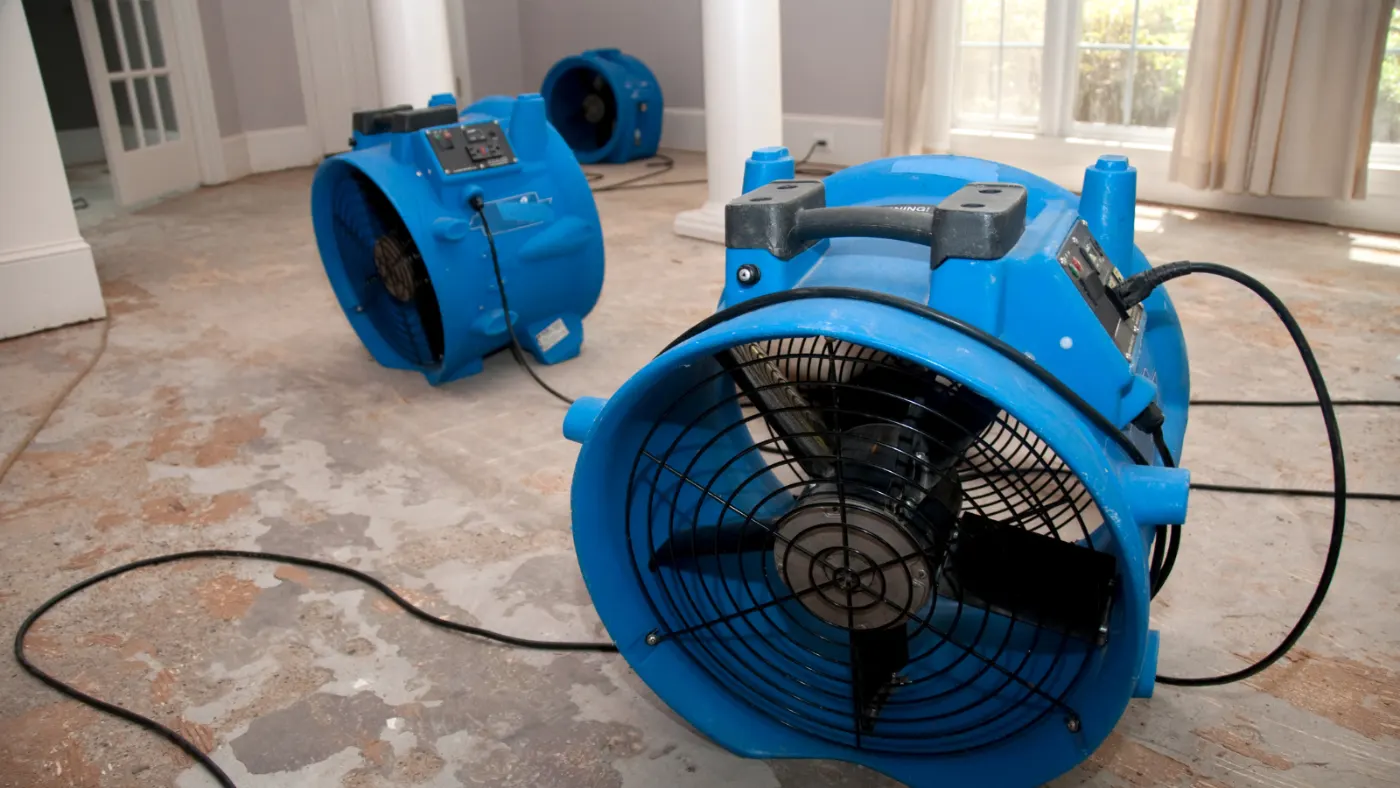
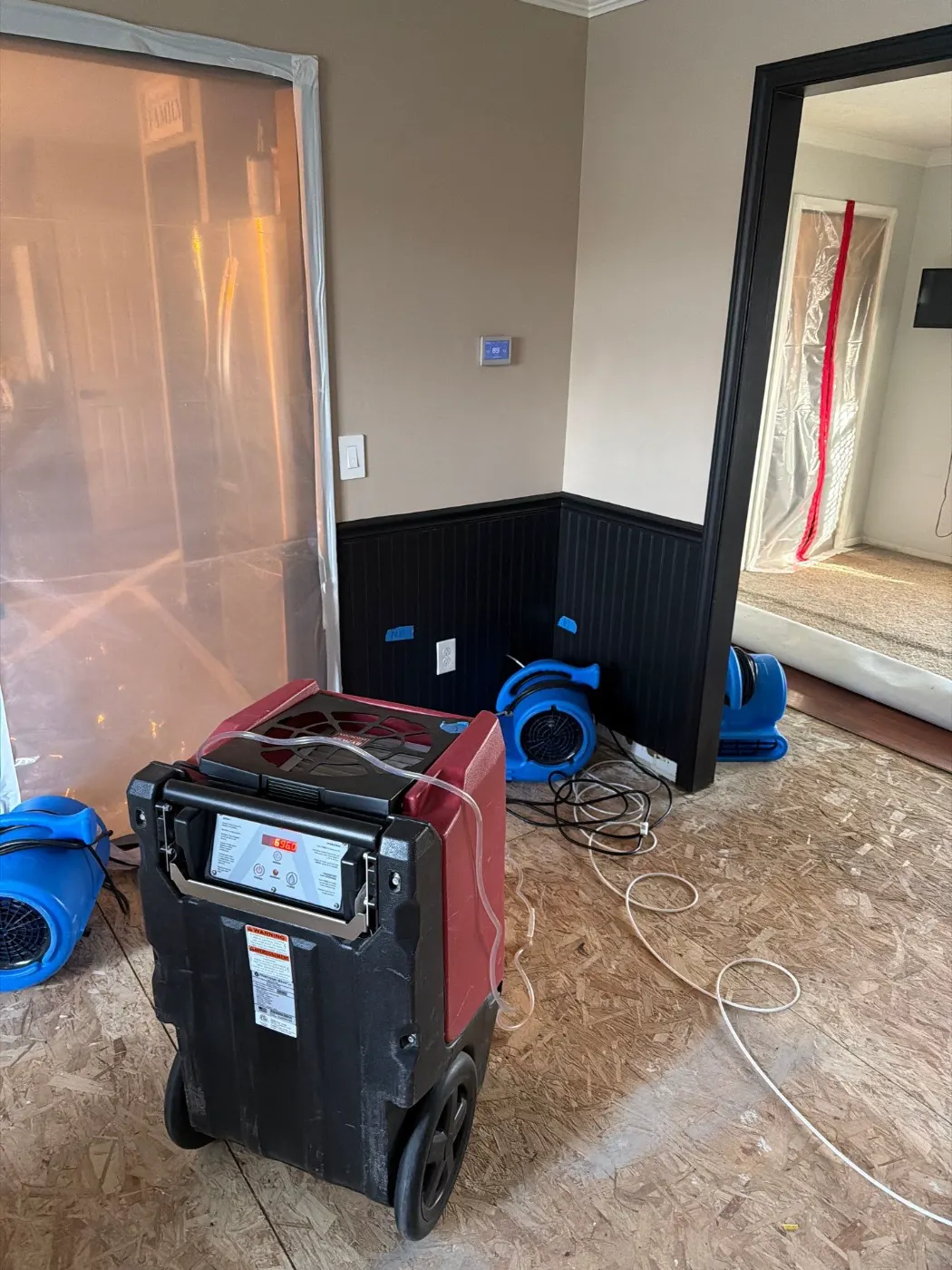
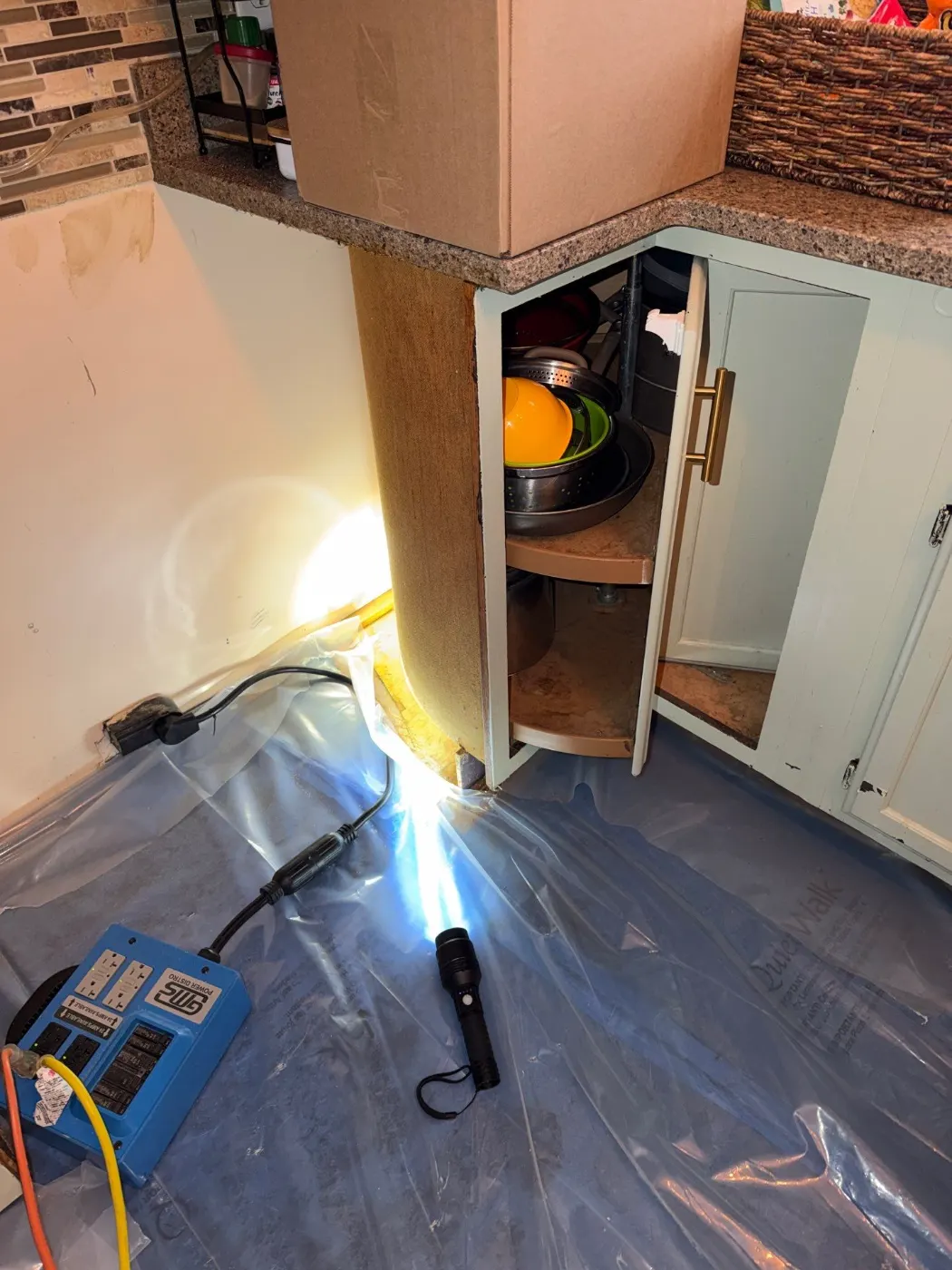
Photographs from real commercial mold remediation jobs completed by our crew in Dayton and surrounding areas.
Commercial Mold Remediation FAQ
Questions Dayton property managers ask us about commercial mold remediation.
Guidance and Standards for Commercial Mold Remediation
- The ANSI/IICRC S520 is the published standard for professional mold remediation. The current edition is the Fourth Edition, 2024. IICRC S520 Standard
- EPA’s mold guide says the key to mold control is moisture control. EPA: A Brief Guide to Mold, Moisture and Your Home
Dayton Neighborhoods We Serve
We take commercial mold remediation calls in every part of Dayton. Pick your neighborhood for local details.
Other Restoration Services in Dayton
Dayton Water Restoration handles the full scope of restoration work. Explore our other services below.
Water Damage Restoration in Dayton
24/7 emergency response. IICRC certified water restoration from extraction to full dry out.
Learn more →Basement Flooding in Dayton
Basement water emergencies handled fast. Extraction, drying, mold prevention.
Learn more →Sewage Cleanup in Dayton
Category 3 biohazard cleanup. Full containment, decontamination, structural restoration.
Learn more →Request Commercial Mold Remediation
Reach Us Directly
Our team is available 24/7 for emergencies and ready to schedule inspections during business hours.
Need Immediate Help?
For active water or mold emergencies, call us directly. We are available 24/7.